








Throughout 2025, the land-based gaming sector navigated a complex mix of regulatory pressure, market consolidation, and evolving expectations around what regulated gaming should look like in practice. From the continued spread of gray and skill machines in certain U.S. jurisdictions to a steady wave of mergers and acquisitions among manufacturers, the year underscored both the opportunities and the fault lines shaping the industry’s next phase.
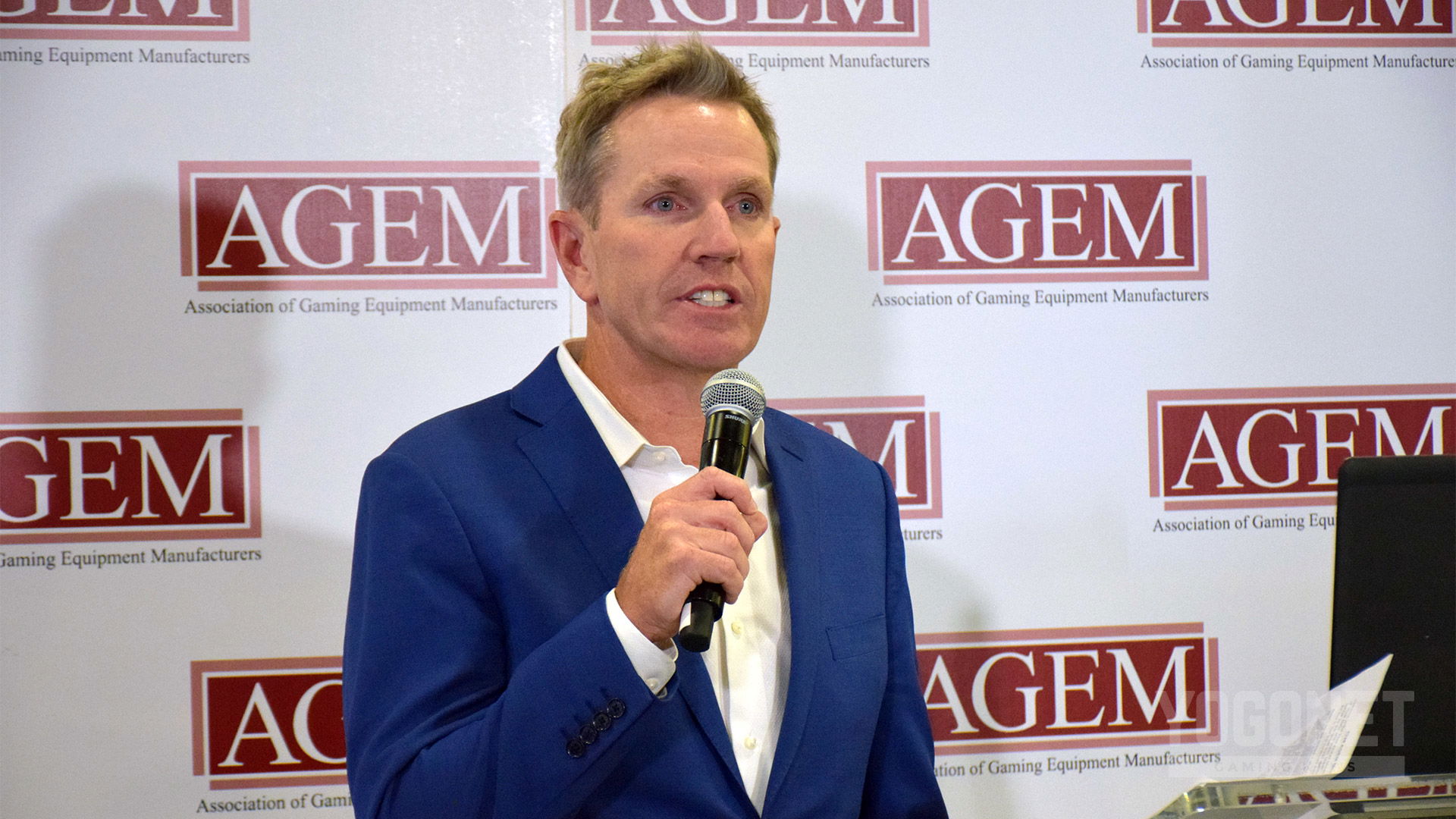
Against this backdrop, Daron Dorsey, President and CEO of the Association of Gaming Equipment Manufacturers (AGEM), reflects on the progress made toward clearer regulation, the impact of consolidation on competition and innovation, and what lies ahead for gaming suppliers as the industry looks toward 2026.
In this exclusive interview with Yogonet, Dorsey outlines AGEM’s perspective on building a fair, regulated marketplace—and how the organization is positioning itself to support members through a period of ongoing transformation.
Throughout 2025, AGEM continued to stress the need for clearer regulation around land-based gaming, such as in states where gray or skill machines have proliferated. As the year comes to a close, have you seen meaningful progress on this front, and where do the biggest regulatory gaps still remain?
Yes. There has been slow and meaningful progress, whether through legal proceedings or regulatory action, in many jurisdictions. Each time that issue is discussed or addressed in any forum is progress, as the presence and continued proliferation of products negatively impacts all stakeholders in our regulated and authorized gaming environment.
So long as we all must operate by the same rules and standards on what is authorized and allowed, along with what is not, competition and opportunity can be pursued on equal footing. That is a core principle of our industry that benefits our participants and the public alike.
2025 saw continued merger and acquisition activity among gaming manufacturers, reinforcing a trend toward consolidation. From AGEM’s perspective, how is this reshaping competition, innovation, and long-term resilience in the land-based equipment sector?
This consolidation cycle is a natural part of our sector’s maturation as gaming is a global business. That results in our participants finding opportunities for growth and profitability, whether through organic growth, mergers, or acquisitions, in public and private companies alike.
In my mind, that is yet another signal of our sector’s success and acceptance by the investment community and its view that gaming suppliers and technology companies are viewed as a place to commit billions of dollars of capital in both short- and long-term investment. That enables continued investment in innovation, which, in turn, begets more competition and establishes long-term sustainability of our sector.
That competition brings out the best in our industry, whether for product innovations or talent, so we view this cycle of consolidation and investment as another marker of success in a sector that had a finite number of competitors and markets not that long ago.
As you look toward 2026, what do you see as the most significant opportunities — and the most pressing challenges — for the land-based gaming supplier community, and how is AGEM positioning itself to support members through that next phase?
The opportunities and challenges for our supplier community continue to center around what we want and expect from regulated and authorized gaming in the years ahead.
A core pillar of AGEM’s mission is to support its members and their pursuit of regulated and authorized gaming activities in whichever forms legislatures and regulatory authorities wish to establish and maintain. AGEM aims to do whatever it can to support our members’ interests in these policy discussions over the years ahead.