








As tribal gaming continues to demonstrate remarkable resilience and economic impact, FY2024 marked a new milestone with record gross gaming revenue reaching $43.9 billion. The results underscore the strength of tribal leadership, the stability of the regulatory framework, and the sector’s ability to adapt amid a rapidly evolving gaming landscape.
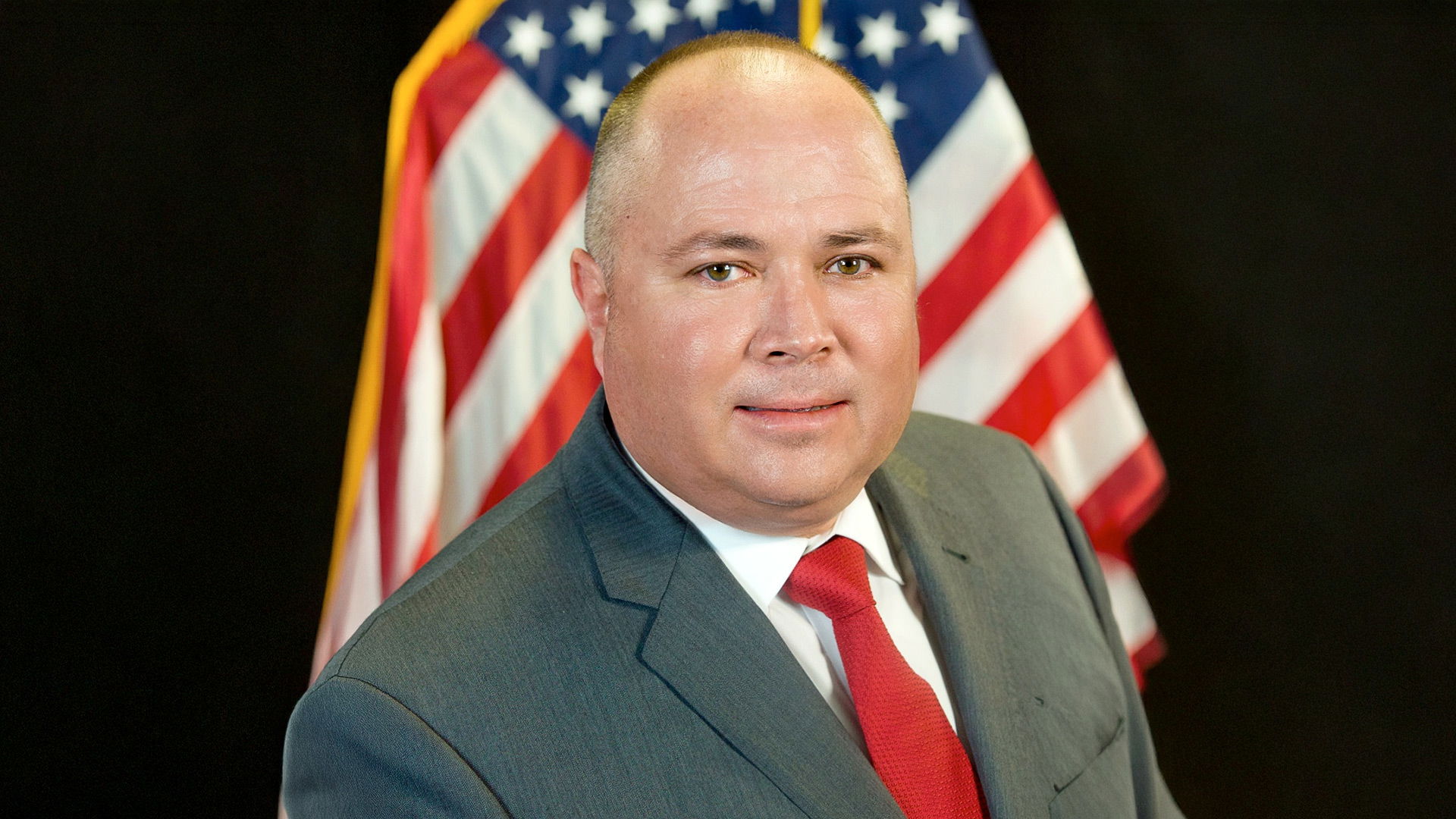
In this exclusive interview with Yogonet, Shawn Pensoneau, Intergovernmental and Legislative Affairs at the National Indian Gaming Commission (NIGC), reflects on the forces shaping the current environment, from cybersecurity threats and emerging prediction markets to the ongoing evolution of intertribal regulatory coordination.
The Commission also outlines its priorities for 2026, including strengthening regulatory consistency, supporting responsible technology adoption, and ensuring that continued revenue growth translates into long-term sovereignty and economic diversification.
FY2024 GGR reached a record $43.9 billion. What do these results tell you about the resilience of tribal gaming coming out of 2024 and through 2025? What underlying factors are driving sustained growth across regions?
Once again in FY 2024, these strong numbers reflect the dedication of tribal leadership to preserve and grow this critical economic engine in their communities. Through the ever-changing gaming landscape, Tribal governments across the country continue to build sustainable economies through innovation, strategic development, and sound regulatory practices.
These record revenues reflect the strength of tribal leadership, the dedicated work of the gaming operations, and the integrity of the regulatory framework that supports the Indian gaming industry.
At G2E, the NIGC referred to a “triple threat” facing tribal gaming: cybersecurity risks, prediction markets, and intertribal regulatory conflicts. Which of these three areas poses the most immediate risk to tribal operations today? How is the Commission working with tribes to mitigate each?
The Commission views all three issues as serious and evolving risks, but cybersecurity remains the most immediate threat to tribal operations. NIGC continues to support tribes through assessments, technical assistance, and information sharing to strengthen preparedness and response.
The Agency is closely monitoring developments on prediction markets, providing guidance, and engaging with the tribal gaming community and other federal agencies like the Commodities Futures Trading Commission and the Department of Justice to determine the appropriate federal response and address potential jurisdictional or regulatory overlap.
Above all, NIGC continues to work collaboratively with tribes and federal agencies to ensure roles are well-defined and tribal regulatory authority is upheld.
With 243 tribes operating 532 gaming facilities, regulatory consistency continues to evolve. Are there best-practice models the NIGC hopes to encourage across tribal gaming commissions in 2026?
The NIGC doesn’t take a one-size-fits-all approach but does encourage practices that strengthen integrity and support tribal gaming regulatory standards. In 2026, that would include continued focus on strong internal controls, effective cybersecurity planning and clear, consistent communication between tribal regulators and operations.
The Commission will continue working with tribal gaming regulatory authorities to share successful models and provide training and technical assistance where useful.
Looking ahead, what does the NIGC see as the biggest emerging challenge for tribal gaming in 2026? Technology, competition, security, governance, or something else entirely?
Strengthening cybersecurity and data-protection protocols for casinos remains top-of-mind, along with integrating AI and other new technologies responsibly, without compromising integrity, fairness, tribal sovereignty, and regulatory compliance.
In 2026, the Agency will continue supporting tribes with technical assistance, training, and updated regulatory standards to keep pace with digital transformation.
As tribal gaming continues serving as a major driver of community development, how does the NIGC plan to support tribes in ensuring GGR growth translates into long-term sovereignty, economic diversification, and social investment over the next year?
NIGC’s role is to help ensure gaming remains a stable, well-regulated foundation for tribal economies as set forth in IGRA and Agency regulations. Over the next year, the Commission will continue supporting tribes through monitoring compliance, new training opportunities and tools that strengthen operational integrity. By helping maintain a secure and reliable gaming environment, the NIGC supports tribes as they utilize GGR to advance long-term sovereignty, diversify their economies, and invest in their communities.
Original article: https://www.yogonet.com/international/news/2025/12/24/116873-nigc-34cybersecurity-remains-the-most-immediate-threat-to-tribal-operations-34