








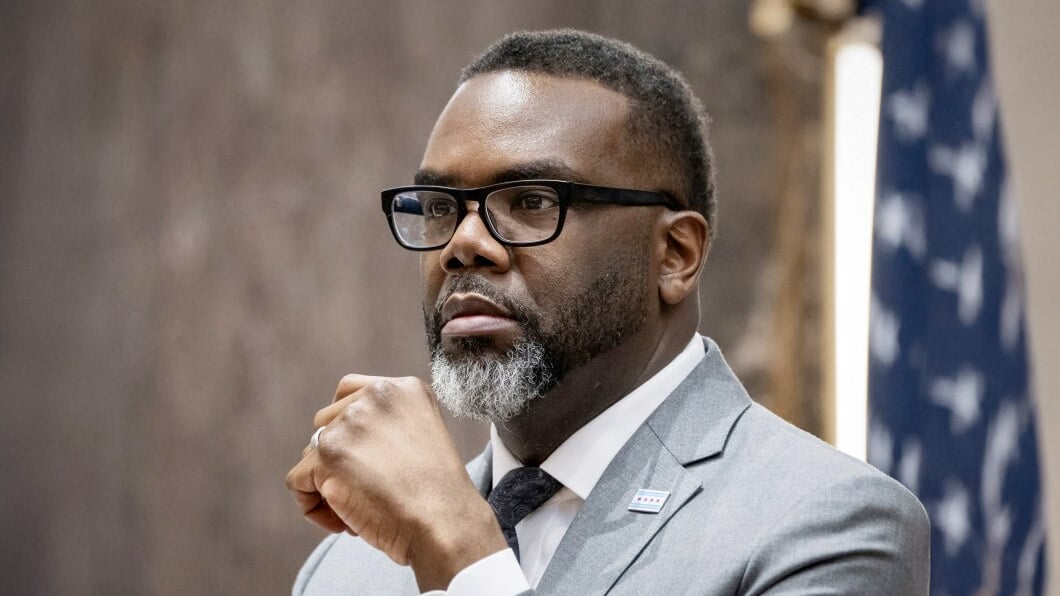
Chicago’s plan to legalize video gambling terminals (VGTs) in bars and restaurants remains unsettled despite the City Council approving the measure last month as part of the city’s 2026 budget, with Mayor Brandon Johnson and aldermen now signaling negotiations are still underway.
The ongoing talks between Johnson’s administration and council members represent the first major attempt to amend the aldermen-backed budget passed in late December over the mayor’s objections. The plan was approved to avert a city government shutdown, with officials describing the budget as a “living document.”
Top Johnson adviser Jason Lee said the legalization effort “requires more time and some judicious collaboration.”
“There are a number of aldermen who are uncomfortable with the VGT expansion, particularly in the way it was done,” Lee told the Chicago Tribune.
Aldermen estimated legalization would generate $6.8 million this year, a small portion of the city’s $16.6 billion spending plan. Johnson retains significant authority over implementation, including steps required to begin licensing.
Lee said the administration has concerns, including limited vendor diversity, insufficient input from downtown Bally’s Casino operator and labor groups, and a desire for aldermen to have more control over where terminals could operate.
“I think there’s a right way to do it, and then there’s a way to do it that’s suboptimal, and that if it is going to be done, it should be done in the right way,” he said.
Lee also pointed to the tax structure as a major issue. Under the current arrangement, Chicago would receive 5% of revenue from VGTs, while the state would receive 30%. The city’s share would be below the roughly 20% it receives from casino slot machines.
Even under the timeline used in budget estimates, terminal licenses would not be issued until July. Aldermen projected machines could open at 1,800 locations this year, though the Illinois Gaming Board issued 790 licenses statewide last year and had a backlog of almost 500 establishments to vet.
Ald. Anthony Beale, 9th, said Johnson could move the process forward by notifying the state of Chicago’s intent.
“There are other ways to negotiate this other than trying to always pour sour milk on everything,” Beale said. “Do your job, and that is to carry out the duties of the budget that was passed, not to pick and choose on what you want to do, that is not the role of the executive branch.”
Beale called the machines “a lifeline for a lot of small businesses.”
John Canham, Chief Revenue Officer at Gold Rush Gaming, estimated that Chicago has missed $500 million in revenue since VGTs entered Illinois around 2011. He projected about $36.5 million in annual Chicago tax revenue once the machines are operating, based on 2,000 locations installing an average of five machines each, earning $200 a day.
However, some aldermen have moved to ban VGTs in their wards due to addiction concerns.
“I don’t personally want mini-casinos on every corner of my ward,” Ald. Jessie Fuentes, 26th, said. “Gambling addiction harms families. It harms the mental health of individuals in our communities. And it can destroy lives.”
Johnson’s administration has also warned that legalization could end a $4 million annual payment from Bally’s tied to its host agreement with the city, potentially reducing near-term gains from the plan.
Original article: https://www.yogonet.com/international/news/2026/01/15/117156-chicago-vgt-legalization-plan-heads-back-to-negotiations-after-budget-vote