






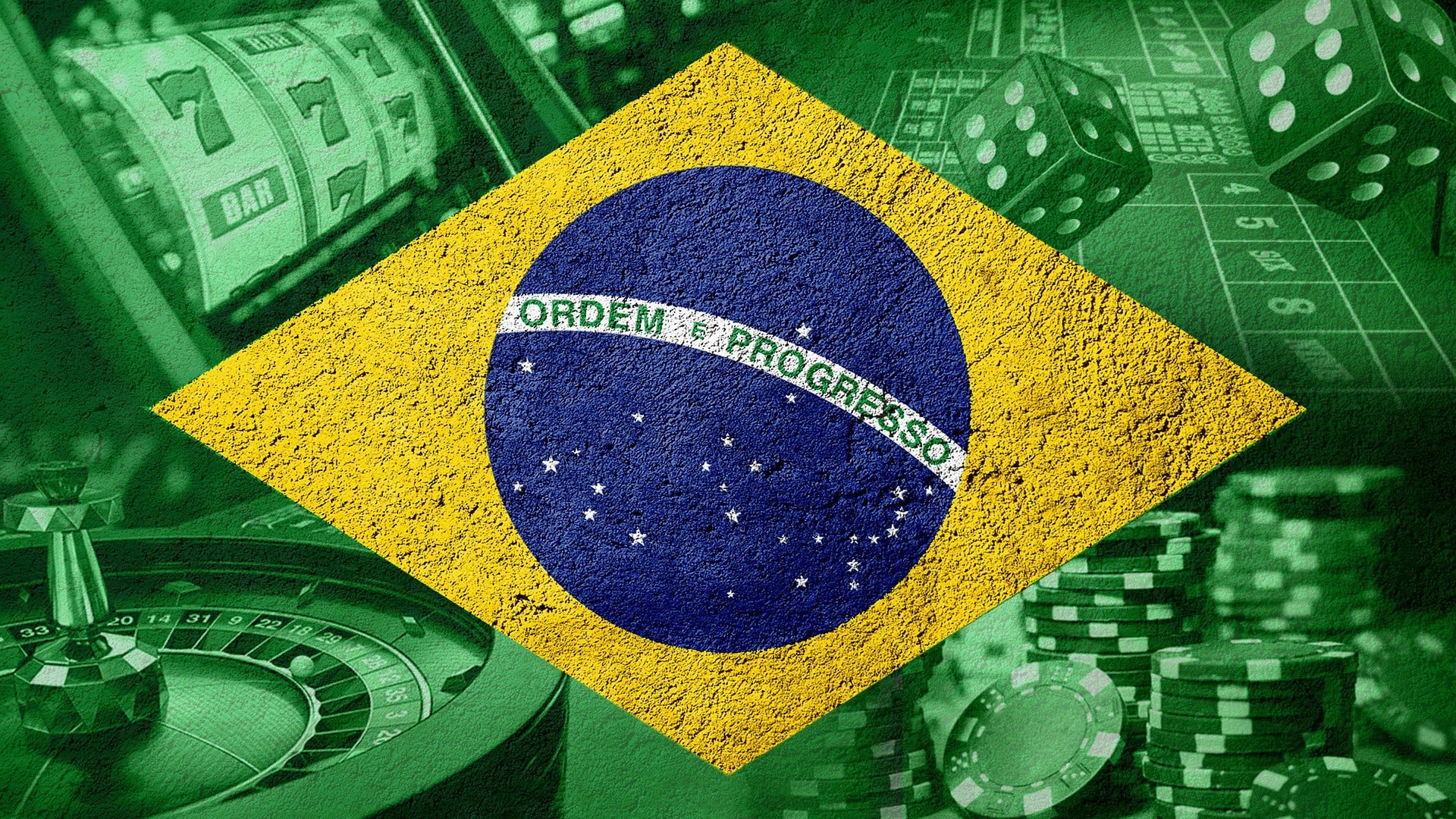
Seventy-nine licensed betting companies reported activity from 25.2 million bettors in Brazil during 2025, a year that delivered BRL37 billion ($7 billion) in gross gaming revenue under the country’s regulated framework.
The figures were released by the Secretariat of Prizes and Bets (SPA), covering the first year of regulated online betting following the market’s launch on January 1, 2025. The data provides the first consolidated view of licensed betting activity since regulation took effect.
Revenue, fees, and tax collections
Licensed operators paid around BRL2.5 billion ($475 million) in licence fees during the year. Each licence carries a cost of BRL30 million ($5.7 million). An additional BRL95.5 million ($18.15 million) was collected through inspection fees.
Tax revenue figures released this week by the Federal Revenue Service showed close to BRL10 billion ($1.9 billion) collected from licensed betting activity in 2025. Of that total, BRL1.1 billion ($209 million) was collected in December.
SPA chief Regis Dudena said the data will be used to inform future regulatory actions related to bettor protection.
“The year 2025 marked the first time the state was fully present in this market,” Dudena said. “Data was received, allowing for an objective understanding of the sector, in addition to monitoring tools to track compliance with the established rules.
“We have economic data and information on individuals, which helps us prevent gambling problems and allows us to act in coordination with other bodies, such as the Ministries of Health, Sports, and Justice.”
Bettor demographics
Operator reports showed that 68.3% of bettors in 2025 were men, while 31.7% were women.
The largest share of betting activity, 28.6%, came from individuals aged 31 to 40. Bettors aged 18 to 24 and 25 to 30 each accounted for 22.7%. Those aged over 61 represented 2.7% of the total betting population.
Self-exclusion platform uptake
In December, the SPA launched a centralized self-exclusion platform allowing players to block access to licensed betting websites.
The platform formed part of the regulator’s ongoing regulatory agenda. The SPA previously described the self-exclusion system as its “most important” priority.
During the first 40 days following its launch, the platform received more than 217,000 requests. The most frequently selected reason for self-exclusion was “Loss of control over gambling – mental health,” while 73% of requests were submitted for an indefinite period.
Enforcement actions and illegal market controls
Industry participants continue to identify tax levels and unlicensed activity as major concerns within the Brazilian betting sector. A recent legislative change provides for the tax rate to rise gradually to 15% by 2028. Current estimates place illegal operators at up to 50% of total betting activity.
The SPA reported enforcement activity targeting unlicensed operators throughout 2025. Through cooperation with the National Telecommunications Agency, more than 25,000 offshore betting websites were blocked.
The Undersecretariat for Monitoring and Inspection registered 132 cases involving 133 companies during the year. Eighty cases remain in progress for the application of penalties.
The regulator also reported actions involving payment channels linked to illegal betting. By the end of 2025, 54 payment and financial institutions had submitted 1,255 reports to the SPA involving 1,687 individuals suspected of making payments to unlicensed operators. These actions resulted in the closure of 550 bank accounts.
Enforcement activity also covered digital promotion. Authorities concluded 412 inspection processes involving social media influencers, leading to the removal of 324 profiles and 229 publications.
“It is important to make it clear that regulation exists to be observed,” Dudena explained. “The SPA will be attentive to its compliance, and those who do not comply will be subject to the penalties provided for by law and regulation.”
Original article: https://www.yogonet.com/international/news/2026/01/26/117279-brazil-licensed-betting-market-reports-7-billion-ggr-in-first-year