








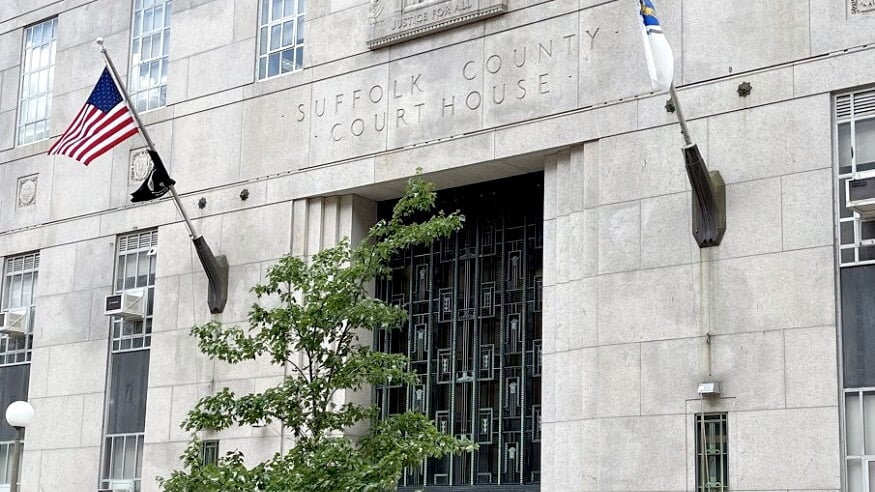
A Massachusetts Superior Court judge has denied prediction-markets operator Kalshi‘s request for an emergency stay, allowing a preliminary injunction that restricts the company’s sports-related contracts in the state to move forward with a 30-day implementation period.
Suffolk County Superior Court Judge Christopher Barry-Smith declined to pause the injunction, concluding that the financial impact on Kalshi did not outweigh Massachusetts’ interest in enforcing its gambling laws. The order was formally entered on Friday and will take effect unless an appeals court grants relief within the compliance window.
Kalshi, which is based in New York, said it plans to continue pursuing appellate options. “We will stay the course and fight for that belief,” the company said in a statement, reiterating its position that its exchange is governed by federal law and licensed by the US Commodity Futures Trading Commission.
Scope of the injunction
Under the injunction, Kalshi is barred from offering, listing, matching, executing, clearing, or settling contracts defined as wagers on sporting events, portions of sporting events, or individual athlete performance statistics to persons located in Massachusetts. The order also prohibits Massachusetts users from increasing or expanding positions in existing sports contracts.
The court directed Kalshi to implement measures designed to prevent Massachusetts-based users from entering such contracts, including geofencing based on user location rather than residential address. Non-sports contracts are not affected, and Massachusetts users may continue to fund accounts and trade non-sports products. Sports contracts entered into before geofencing begins may remain open, with users permitted to hold or settle them under existing terms.
Kalshi must also notify affected users attempting to purchase sports contracts that the company is subject to the court’s order. In addition, the company is required to preserve records related to Massachusetts users, including logs, communications, geolocation data, and marketing information, until further court order.
Appeal and timing
The injunction includes a 30-day implementation period, which the judge said makes a short stay unnecessary. “Kalshi is, of course, welcome to seek a stay from the Appeals Court, which presumably can be decided within the implementation period,” Barry-Smith wrote.
If no stay is granted, the restrictions would take effect in early March. Barry-Smith noted that the delayed implementation would “mitigate harm” by giving Kalshi time to prepare operational controls.
In denying the stay, the judge said Kalshi had not shown a likelihood of success on the merits or irreparable harm, finding that financial losses could be recovered if the company ultimately prevails. He added that Kalshi “adopted its business model — relying on CFTC regulation of ‘swaps’ to offer nationwide sports betting in contravention of state gaming laws — with eyes wide open.”
Massachusetts Attorney General Andrea Joy Campbell sued Kalshi in September, arguing the platform offered sports wagering in the state without a license. Barry-Smith agreed, writing that federal commodities law does not preempt “traditional state police powers, such as gambling regulation.”
Campbell said the ruling “affirms Massachusetts’ right to enforce our gambling laws and hold all operators who wish to offer sports wagers in our state accountable.”
The decision adds to ongoing disputes between state gaming regulators and prediction-market operators nationwide over whether sports event contracts constitute unlicensed wagering.
Original article: https://www.yogonet.com/international/news/2026/02/09/117497-judge-rejects-kalshi-39s-bid-to-pause-massachusetts-injunction-banning-sports-contracts