








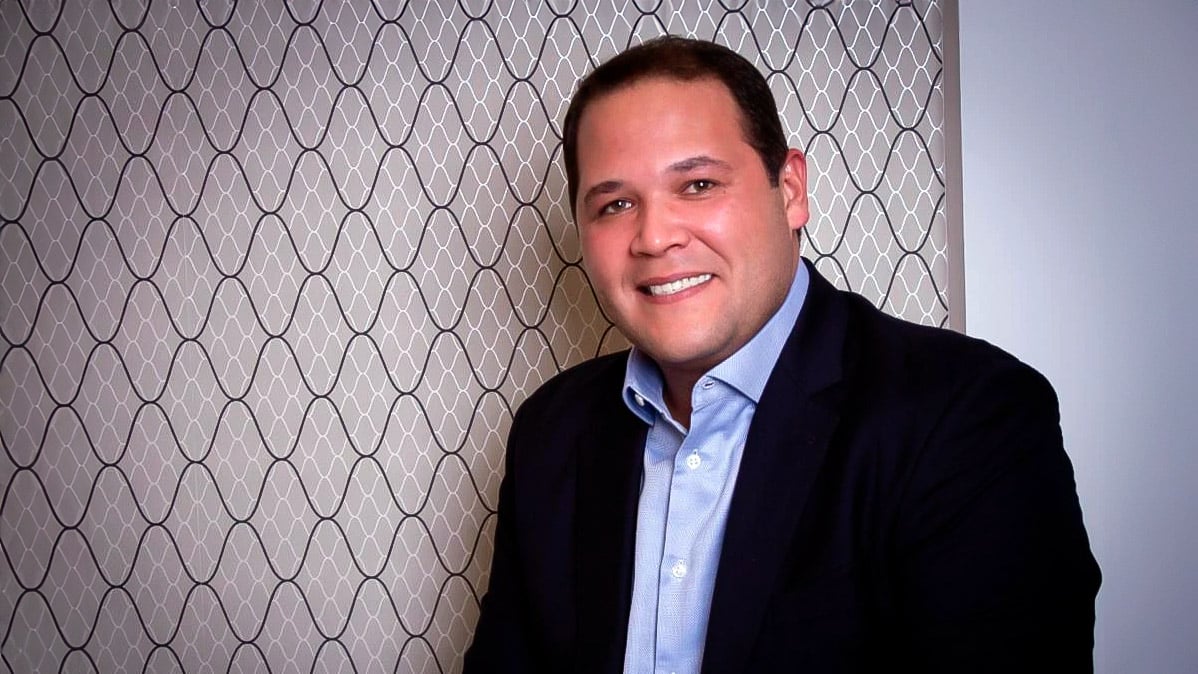
Proposals under consideration in Brazil’s National Congress to limit or prohibit advertising by sports betting platforms could undermine the regulated market and have significant repercussions for sports and culture, according to Superbet CEO Alexandre Fonseca.
Speaking on Friday during the launch of Carnaval Superbet 2026 at the Fan Fest in Copacabana, Fonseca said the measures risk eroding distinctions between licensed operators and illegal platforms.
“I think that the advertising restrictions put regulated betting on the same level as illegal betting. Therefore, it doesn’t allow companies licensed by the Ministry of Finance to differentiate themselves from illegal companies. This, obviously, is without even considering the disinvestment that will occur in areas so important to Brazil, such as sports and culture,” stated Fonseca in an interview with BNLData.
Fonseca warned that Brazilian football would be the most immediately affected sector if advertising restrictions reduced industry revenues. He said fixed-odds betting companies collectively invest around R$ 2 billion each year in football through broadcast sponsorships, club agreements, championship partnerships, and stadium sponsorships.
“Look, in our case here, we’re talking about Carnival, and sponsoring Carnival, the Rio Carnival, which is the biggest Carnival in Brazil. Besides other sponsorships, we do for events that are also very important to society. But football, without a doubt, is the area that will suffer the most,” the executive explained.
He added: “I would say that there is, in fact, a risk of collapse for Brazilian football if this measure is implemented, because it is well known that the sector, the fixed-odds betting segment, invests around R$ 2 billion per year in football, including broadcast sponsorships, club sponsorships, championship sponsorships, and stadium sponsorships.”
Beyond football, Fonseca said the proposed restrictions could affect funding across multiple sports through reduced tax transfers.
“The removal of this investment in the football industry, as well as in other sports, will undoubtedly create a gigantic impact. Not to mention the transfers made by the federal government to the legal beneficiaries, originating from taxes collected by fixed-odds operators. When the revenue of betting companies decreases, the impact, the transfer, decreases equally,” he warned.
These funds are allocated to confederations across football, basketball, tennis, volleyball, and other sports with lower commercial appeal, Fonseca noted.
The Superbet CEO also addressed what he described as confusion among lawmakers between fixed-odds betting and lotteries. Under Complementary Law 224/25, enacted on December 29th, 2025, the payout rate for fixed-odds betting will decline from 88% to 87% starting March 27th, marking the beginning of a ninety-day period.
“I think a measure like that tends to ruin the regulated sector in Brazil. Because fixed-odds betting and gambling…” online “They have historically always had a payout of 97% and sometimes 98%, depending on the operator, compared to the lottery which has an average payout of 32,25% in Brazil, which in itself is a peculiarity, I would say negative, since when you look at all other markets, the payout of lotteries is always above 60% or 65%.”
During the Copacabana event, Superbet also confirmed plans to expand its presence at Rio Carnival in 2026. The launch was led by presenter João Silva, the brand’s new ambassador, and attended by Fonseca, marketing director Patrícia Prates, and ambassadors Nicole Bahls and Cafu, announced as King and Queen of the Superbet Carnival 2026.
Original article: https://www.yogonet.com/international/news/2026/02/09/117513-superbet-ceo-cautions-brazil-ad-curbs-could-weaken-regulated-betting-and-disrupt-sports-funding