








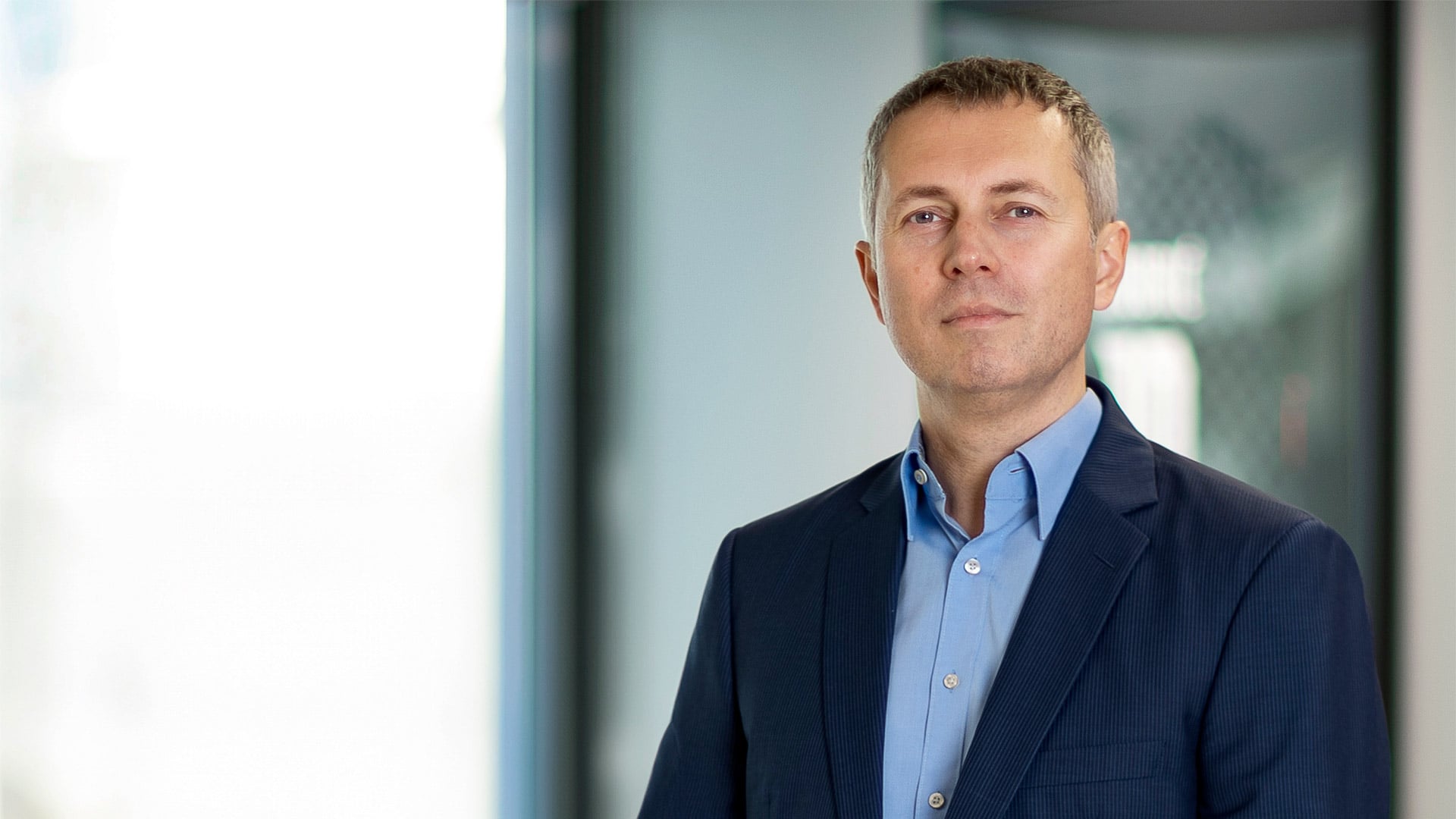
SOFTSWISS has taken a decisive step in formalising its artificial intelligence ambitions with the appointment of Denis Romanovskiy as Chief AI Officer last month, a move that signals AI is no longer an experimental layer, but a core component of the company’s long-term strategy. By elevating AI leadership to the C-suite, the company positions artificial intelligence not simply as a productivity tool, but as foundational infrastructure shaping operations, security, and competitive differentiation.
In this exclusive interview with Yogonet, Romanovskiy discusses the shift from experimentation to enterprise-scale execution, the architectural thinking behind SOFTSWISS’ centralised AI platform, and what responsible AI adoption looks like in a highly regulated iGaming environment.
SOFTSWISS has created its first Chief AI Officer role. What does elevating AI to the C-suite level say about how the company views artificial intelligence today?
Establishing the CAIO position is a strategic move to transition AI from a promising technology into a fundamental element of our business infrastructure. We view it not just as a tool for local tasks, but as a driver for global transformation.
The need for centralised leadership became evident when the scale of technology adoption reached over 2,000 employees: we required unified standards for management and security, along with a clear vector for development to maintain our leadership in the face of rapid change.
You’ve spent years inside SOFTSWISS as Deputy CTO. How does stepping into the CAIO role change your priorities and responsibilities on a day-to-day basis?
My priorities have shifted from general technology platform management to specialised AI strategy design. While I previously focused on engineering scaling, my role now involves creating a ‘Greenfield’ of AI opportunities within the company.
This requires more than just deploying new systems; it involves changing our very work methodology. We are moving toward a model where AI is organically integrated into every business process.
You’ve spoken about the shift from experimentation to execution. What were the key lessons from SOFTSWISS’ early AI initiatives that shaped this next phase? What distinguishes an ‘enterprise-grade’ AI strategy from the kind of ad-hoc AI adoption many companies are still relying on?
That lesson is that effective AI implementation is impossible without a systemic security architecture and the protection of corporate data. What distinguishes our strategy from an ad-hoc approach is the depth of integration: we are building multi-level quality gates that minimise the risk of errors.
We place immense focus on team training: people must be able to effectively task models and verify results while understanding the limitations of the technology.
How do you measure success when rolling out AI at scale? What does meaningful productivity gain actually look like in practice?
For us, success is defined by measurable ROI and a radical reduction in production cycles. Productivity, in our view, is when the technical execution of a task that previously required weeks of planning and implementation now takes hours or even minutes.
This allows us to free up the intellectual resources of our employees: instead of routine execution, they focus on the deep development of ideas and strategies. The ability of teams to move several times faster without losing quality is our key KPI.
The company’s AI platform is positioned as a centralised infrastructure layer rather than a collection of tools. Why was that architectural decision so important?
A centralised architecture allows us to implement a ‘build once, use everywhere’ principle, eliminating tool duplication across different departments. Cost transparency and auditability were built into the platform’s foundation, not just for financial control, but for security. This enables us to implement controlled algorithms where every AI decision is transparent and can be reviewed or reversed by an expert within a set time window.
You’ve emphasised empowering non-technical teams like HR, Sales, and Customer Support. What kinds of AI-driven workflows are already delivering the most tangible value outside of engineering teams?
We are democratising innovation by providing teams with secure and tested automation templates. The most noticeable effect is currently in Customer Support, where AI usage allows us to scale the service without sacrificing quality. AI-driven processes for document analysis in HR and Sales are also showing high efficiency.
Furthermore, we are changing the very role of the employee: they now act as a manager of a group of AI agents, coordinating their work and ensuring final quality control based on systemic thinking.
The iGaming industry operates in highly regulated environments. How does that reality shape the way SOFTSWISS approaches AI adoption? What does ‘responsible AI’ mean in practical terms for a provider serving operators across multiple jurisdictions?
The regulated environment requires us to implement strict ‘guardrails’. For us, a responsible approach means that AI always works in conjunction with verified corporate knowledge through RAG systems. Architecturally, this always involves a clear control mechanism: while AI can propose solutions and automate compliance checks – significantly speeding up the work for operators – the final word and responsibility for critical decisions always remain with a human expert.