








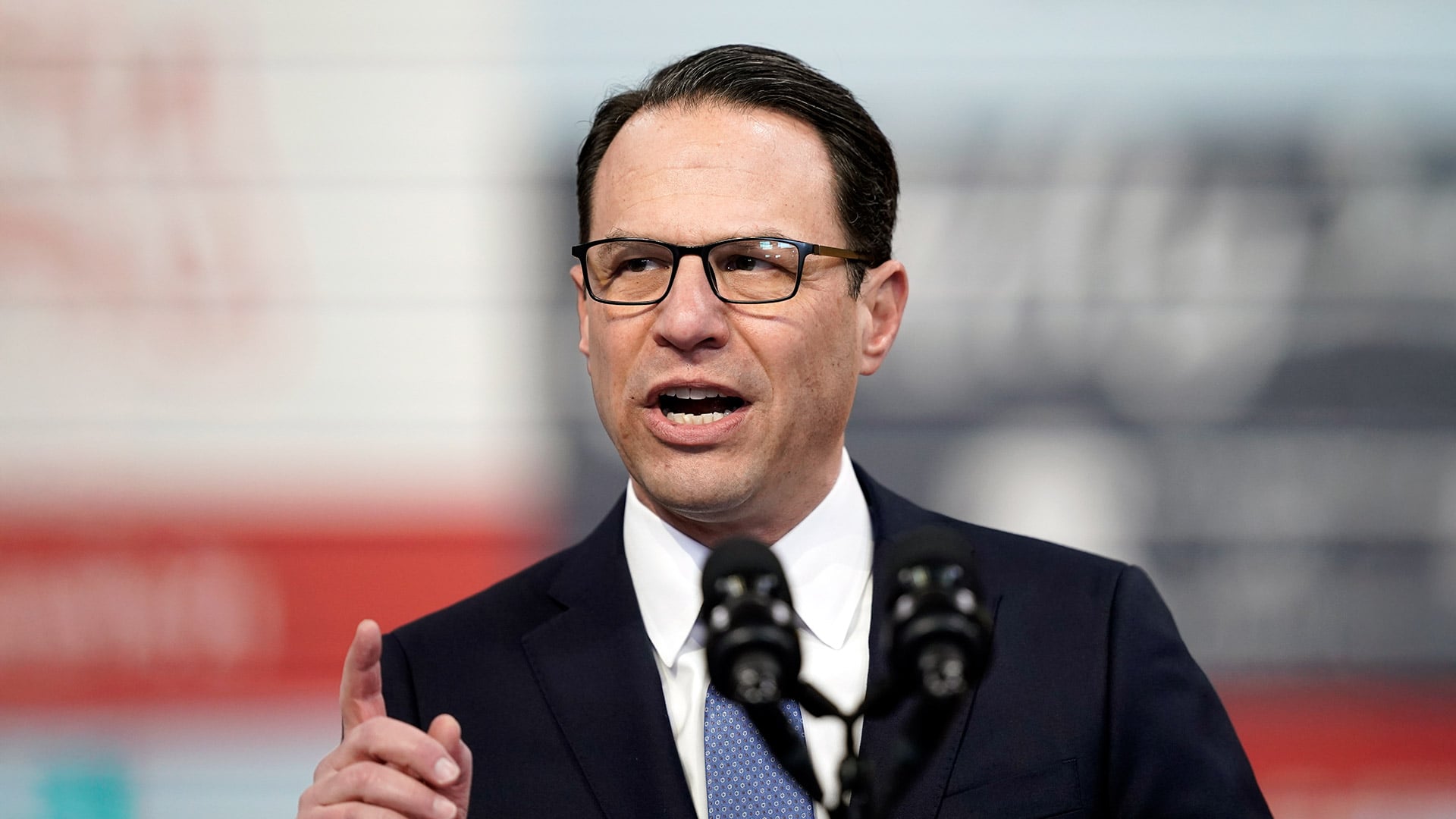
Pennsylvania Governor Josh Shapiro has put regulation and taxation of skill games at the centre of his 2026–27 budget proposal, pitching the move as a potential source of more than $2 billion a year in recurring revenue for the state.
The proposal, included for a third consecutive year, calls for a 52% effective tax on gross terminal revenue from the machines, which resemble slot devices and are widely found in convenience stores, bars, and clubs across the state. Shapiro said the plan would cap the total number of skill games and regulated video gaming terminals at 40,000 statewide, with no more than five machines allowed at any single location.
“With a maximum number of five machines per establishment, this proposal would see gross terminal revenues taxed at an effective rate of 52%, with all the proceeds after funding for compulsive gambling support and local share transfers deposited into the General Fund, generating more than $2 billion a year in revenues,” Shapiro said in budget documents.
Shapiro grouped the skill games proposal with his push to legalise adult-use cannabis, arguing that inaction on both issues was costing the state billions of dollars. “We’re putting our communities at risk and losing out on billions of dollars in revenue by doing nothing on both,” he said.
The Democratic governor faces a narrow path to passage, however, as any deal must win approval from the Republican-controlled state Senate. Republican Senator Frank Farry said Shapiro’s framework broadly mirrors his own legislation, which also proposed a 52% tax rate and similar limits on the number of machines.
“There certainly is a solution to be had,” Farry said, though he noted that a pending Pennsylvania Supreme Court ruling on whether skill games constitute illegal gambling could prove decisive. If the court rules the machines are legal, Farry said, lawmakers would likely move to regulate them. If not, there would be reason “to shut them down.”
Arguments in the case were heard in November, and a decision is expected later this year. Several legislators said the court’s ruling would shape the final contours of any legislation. “Whatever they do gives clarity to what we do legislatively,” said Democratic Senator Anthony Williams.
Lawmakers from both parties have already introduced competing bills, proposing tax rates ranging from zero to 35% or alternative models based on monthly per-machine fees. Democratic Representative Danilo Burgos said regulation would help curb unlicensed operators, saying it would “end the reign of black box games.”
The debate has also been sharpened by law enforcement concerns. Last week, a former executive linked to Pace-O-Matic, a major skill games supplier, pleaded guilty to money laundering, highlighting what officials describe as oversight gaps in the largely unregulated sector.
Industry groups remain divided. Retail casino operators argue that unregulated skill games have siphoned revenue from casinos, while manufacturers say they have long sought regulation and point instead to online casino gambling as the primary competitive threat.
Even if lawmakers strike a deal this year, Farry cautioned that implementation would be slow. Establishing a regulatory system, including licensing, background checks and temporary rules from the state Gaming Control Board, could take as long as 18 months. “It doesn’t happen overnight,” he said.
Shapiro has set a July 1 deadline to finalise the budget, when the 2026–27 fiscal year begins, setting up months of negotiations over whether skill games can finally move from a legal grey area into a regulated, taxable market.
Original article: https://www.yogonet.com/international/news/2026/02/09/117501-pennsylvania-governor-revives-push-to-tax-skill-games-in-2026-27-budget