








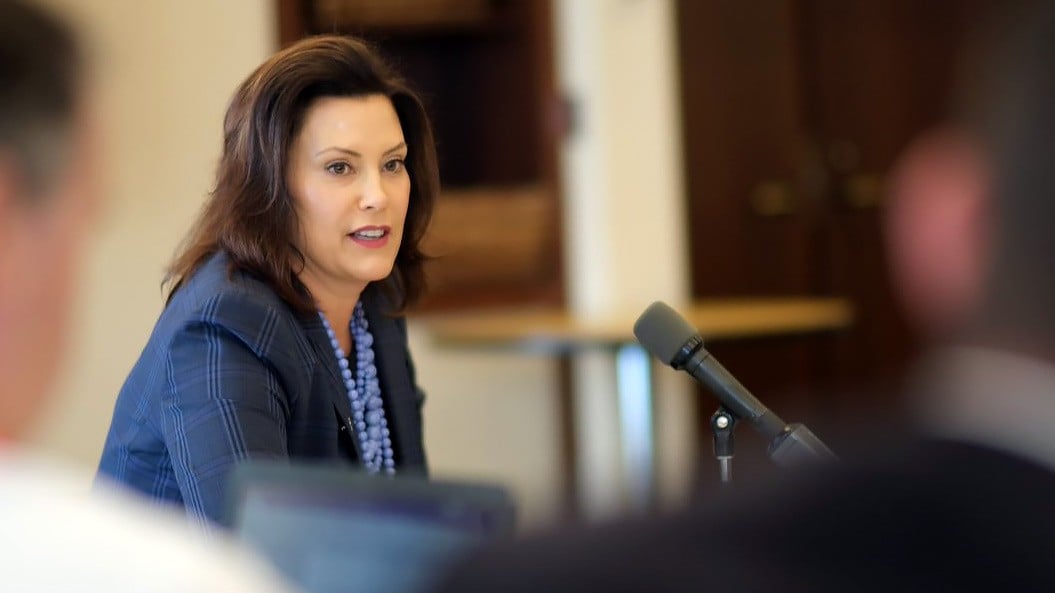
Michigan Governor Gretchen Whitmer has introduced a proposal to tax sports wagers on a per-bet basis, following a model implemented in Illinois last year. The measure is included in her fiscal year 2027 budget and is projected to generate nearly $39 million for the state’s Medicaid Benefits Trust Fund.
Under the proposed structure, sportsbooks would be required to pay 25 cents for each of the first 20 million wagers placed annually and 50 cents for every wager beyond that threshold. Budget documents describe Michigan’s existing sports betting tax rate as one of the lowest among states where the activity is legal, ranking 28th out of 30.
“The same tax was enacted in Illinois last year,” the documents state. “Michigan’s tax rate remains the lowest among neighboring states.”
The Illinois precedent has drawn criticism from operators and some lawmakers due to its reported effect on betting activity. Following the introduction of the per-wager fee in Illinois, sportsbooks responded by imposing transaction fees and raising minimum wager requirements.
Betting volume dropped by 15% year-over-year, according to Illinois Gaming Board reports. The Sports Betting Alliance cited the fee as a primary cause of the decline.
Whitmer’s proposal also calls for removing the deduction of free bets from taxable revenue. This change is estimated to raise $21.1 million, according to the budget briefing.
“Free play is an incentive for gamblers, allowing them to begin placing sports wagers at no initial cost,” the documents say. “Under the budget proposal, sports betting providers would no longer be able to deduct those wagers.”
An additional measure would raise the marginal tax rate for online casinos. Operators with adjusted gross receipts exceeding $185 million would pay 36% on revenue above that amount, up from the current 28%. Only three operators exceeded the threshold last year. The higher rate is forecast to yield $135.5 million in the 2027 fiscal year, most of which would be allocated to Medicaid and related health programs.
In total, the proposed gambling-related tax changes could bring nearly $200 million in annual revenue. The budget released Wednesday includes $800 million in new taxes, with Whitmer framing the increases as necessary to support Medicaid funding.
Opposition to the proposals has emerged. “We’re not going to do any of that,” House Speaker Matt Hall said during a press conference. “There will be no tax increases in this budget when we do this deal.” Republicans currently control the Michigan House.
House Gaming Committee Chair Daniel Didech introduced legislation this month to repeal the per-bet fee. Representative Jehan Gordon-Booth warned fellow lawmakers during a national gaming conference that raising taxes too quickly can backfire.
“Lawmakers need to understand what you think you’re going to get from raising taxes, you’re not going to get,” she said. “We want this industry to continue to strike the right balance. This will be a problem in budgets for the foreseeable few years. I don’t want to see us continue to deteriorate the industry.”
Concerns have also been raised in other states. Louisiana Gaming Control Board Chairman Christopher Hebert warned that higher taxes could drive operators away. West Virginia and Arizona have both proposed increases to their sports betting tax rates in recent months as states seek to close funding gaps created by reduced federal support.
Original article: https://www.yogonet.com/international/news/2026/02/12/117592-michigan-governor-pushes-perbet-sports-wagering-fee-in-sweeping-gambling-tax-proposal