








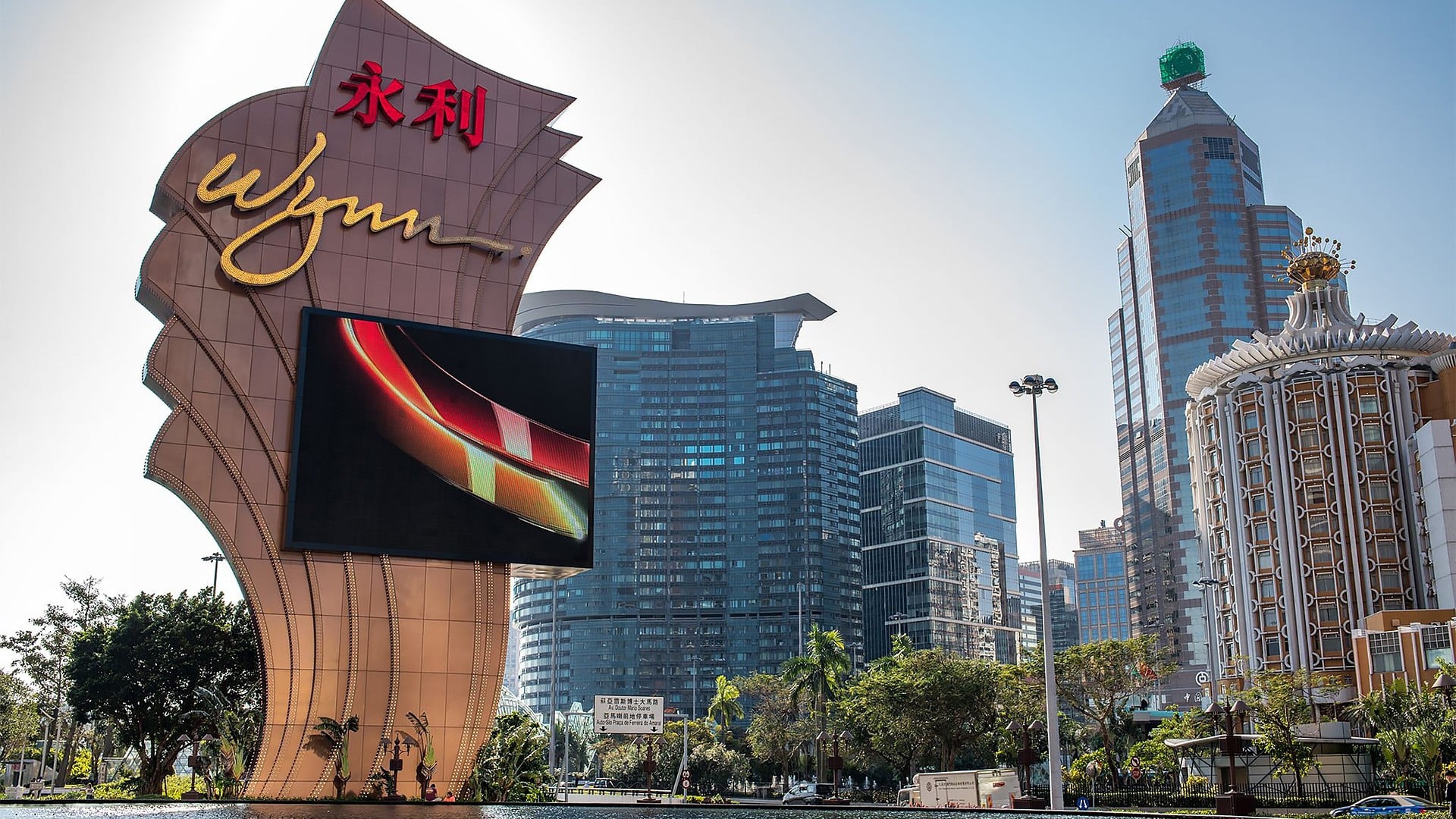
Wynn Macau has closed its dedicated poker room, leaving only three casinos in the territory that continue to offer live poker, due to contraction in the city’s tournament circuit despite rising revenue figures.
With the shutdown, live poker in Macau is now limited to The Venetian Macao, MGM Cotai, and Wynn Palace. The number of venues had already declined last year, when MGM Macau and Grand Lisboa Palace discontinued their poker operations.
Official figures suggest that the game itself remains commercially viable. Data from the Gaming Inspection and Coordination Bureau show that poker generated $121 million in revenue in 2025, marking a 10.4 percent year-on-year increase and the highest level recorded since 2008.
Industry observers, however, caution that revenue performance does not necessarily reflect the depth of tournament activity or Macau’s standing as a regional poker destination.
Large-scale tournament events only resumed in 2024 following the COVID-19 pandemic. That year, a scheduled stop on the World Poker Tour calendar was canceled, limiting the return of international participants. In the absence of consistent marquee events, participation by traveling professionals and serious amateurs has remained uneven.
Macau’s regulatory framework has also altered the operating environment for poker organizers. The revised casino concession system prohibits revenue sharing between operators and third parties. Many established poker brands rely on revenue-sharing arrangements to stage tournaments, and the restriction has complicated partnerships, reducing incentives for global organizers to bring major series to the city.
At the same time, casino operators have adjusted their priorities. After Beijing intensified oversight of junket operators and VIP gambling, Macau’s concessionaires have directed more attention toward mass-market table games and the non-gaming investments required under their updated licenses. Poker typically delivers lower margins than house-banked games such as baccarat, as casinos earn a commission on pots rather than direct gaming revenue.
Regional competition has also strengthened. The Philippines has built a reputation as a dependable stop on regional poker tours, supported by flexible event structures and an expanding domestic player base.
Singapore, despite maintaining a tightly regulated casino system, has established a stable schedule for major series that attract both professional and recreational players from across the Asia-Pacific region.
Consistent event calendars in those jurisdictions allow participants to plan travel well in advance, a feature Macau has struggled to provide in recent years.
For much of the late 2000s and early 2010s, Macau was promoted as an emerging Asian center for tournament poker. International series attracted sizeable fields, and high-stakes cash games were common during peak tourism periods.
Original article: https://www.yogonet.com/international/news/2026/02/20/117700-wynn-macau-closes-poker-room-leaving-just-three-venues-in-operation