








The Oklahoma Senate on Wednesday voted down a proposal to legalize sports betting, rejecting House Bill 1047 by a 27-21 margin despite expectations of support amid backing from tribal stakeholders and the state’s professional basketball franchise.
The measure, introduced by Sen. Bill Coleman, R-Ponca City, sought to establish a regulated framework allowing tribal operators to conduct both retail and mobile sports wagering, with provisions enabling digital platforms such as FanDuel and DraftKings to partner with tribes.
Under the proposal, tribes would remit 8% of sports betting earnings to the state, with projected annual revenue estimated between $15 million and $18 million.
The bill aimed to expand existing gaming compacts, under which tribes currently pay exclusivity fees to operate Class III electronic games and certain card games. According to the Oklahoma Gaming Compliance Unit Annual Report, the state collected more than $221 million in exclusivity fees in fiscal year 2025, marking a 5% increase from the previous year.
Revenue distribution under the proposal included allocations to initiatives linked to professional sports, including a fund to promote the Oklahoma City Thunder globally. Additional provisions directed proceeds from NBA and WNBA wagers to the Strong Readers Fund, while other betting revenue would support a tourism fund associated with the Thunder and other recipients.
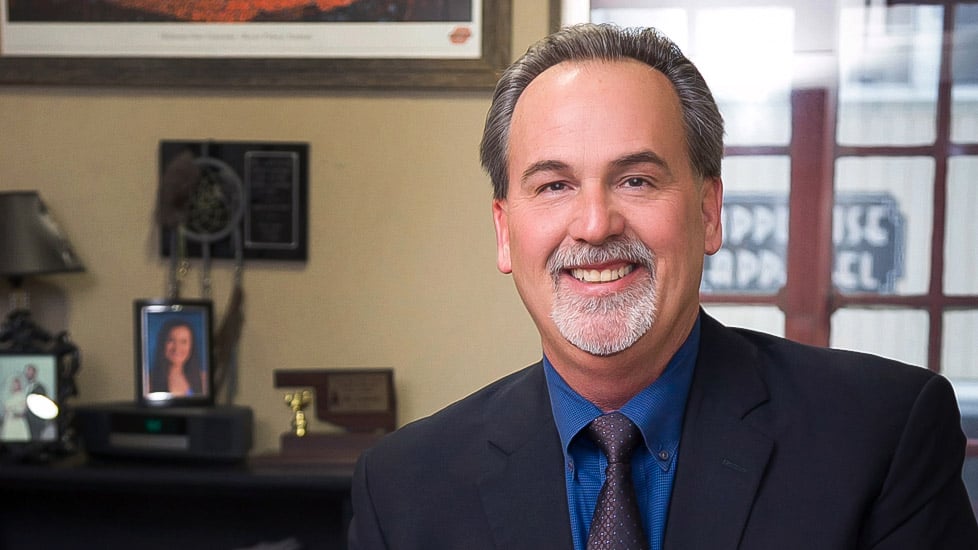
Sen. Bill Coleman
Coleman argued that sports betting activity is already taking place in the state through prediction markets and illegal channels, without generating tax revenue or regulatory oversight.
During debate on the Senate floor, he stated: “The problem is it is here right now with prediction markets. It’s legal, you can legally make that bet in Oklahoma right now on this floor, and we don’t make a dime from it, and they don’t have any laws.”
Opposition to the bill centered on concerns about the social impact of expanded gambling. Sen. Dusty Deevers, R-Elgin, said: “This bill doesn’t simply legalize a harmless activity. It institutionalizes a vice and then asks the state to profit from it. That is a fundamental ethical problem.” He added that when the state sanctions gambling, it becomes a participant in a “moral hazard.”
Other lawmakers cited risks related to addiction and financial instability. Sen. Brian Guthrie, R-Bixby, said online sports betting is the fastest-growing addiction and is destroying young men in their 20s. “Gambling addiction is increasing across the United States, and the last thing I want to do is support that,” Guthrie said.
Sen. Darcy Jech, R-Kingfisher, also pointed to adverse socioeconomic effects, stating: “It’s been disproportionate on the most economically precarious households. Gambling has proven to foster addictive behaviors, a rise in credit card defaults, and mortgage delinquencies.”
The failed vote came shortly after Coleman and Rep. Ken Luttrell announced a revised version of the bill that had backing from the Oklahoma City Thunder and a supermajority of tribes within the Oklahoma Indian Gaming Association.
Coleman had expressed optimism ahead of the vote, saying Tuesday: “This is a big day for Oklahoma. We’re closer than we’ve ever been to legalizing sports betting.”
The legislation would have positioned Oklahoma alongside 39 states and Washington, D.C., where some form of sports betting is already legal.
Despite the setback, Coleman indicated he may seek reconsideration of the bill. He said he might pursue another vote after years of negotiations to reach a consensus on legal sports wagering in the state. A proposed launch date of Nov. 1, 2026, is no longer viable unless the measure is revived.
The bill’s prospects also faced uncertainty beyond the Senate. Gov. Kevin Stitt has previously stated he would support legislation allowing an online sports betting market without requiring tribal partnerships, while backing tribal control over retail sportsbooks.
Original article: https://www.yogonet.com/international/news/2026/04/23/118718-oklahoma-senate-rejects-sports-betting-legalization-bill-proposal-falls-short-in-close-vote