








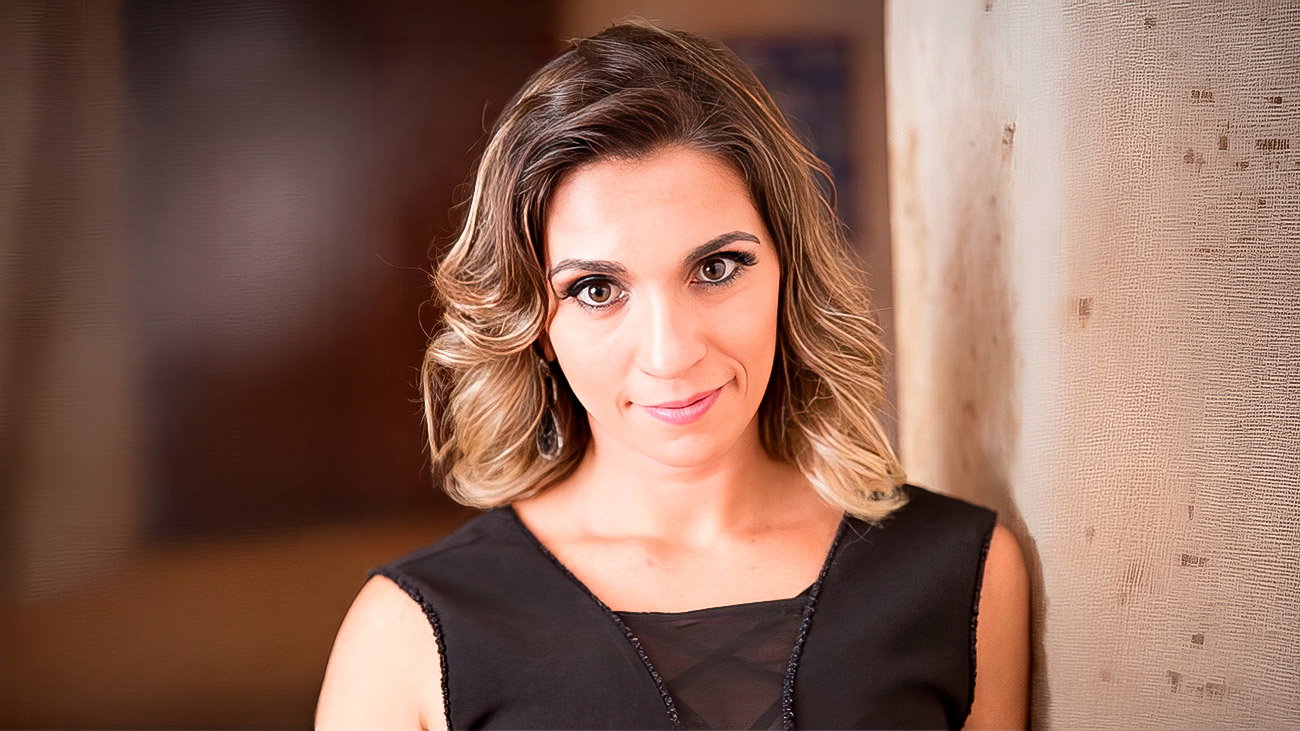
As Brazil’s regulated iGaming landscape moves into its next phase of maturity, the industry is shifting its focus from initial market entry to long-term operational sustainability. Following a foundational first year of regulation in 2025, the market is now bracing for a period of natural consolidation where product quality and regulatory compliance will serve as the primary differentiators between global powerhouses and local contenders.
In this exclusive interview with Yogonet, Stake’s Brazil Country Manager, Andrea Di Nizo, reflects on the lessons learned during the first twelve months of the legal framework and discusses the strategic preparation required for the 2026 World Cup. Di Nizo breaks down Stake’s approach to genuine localization, the inevitability of market consolidation, and why authentic sports partnerships are the key to building lasting brand equity in one of the world’s most competitive betting environments.
2025 was the first year of operation for the regulated online betting market in Brazil. How would you sum up these first 12 months? Do you think the balance was positive overall?
2025 was a year of building strong foundations, as that is what everything stands on. Overall, for us, the balance is positive, though it comes with a balance of learnings.
From a structural standpoint, we saw the market gain real legitimacy: serious operators investing in compliance, players migrating to licensed platforms, and a regulator exercising its new role in real time.
From an operational standpoint, it was a year of intense adaptation. New rules arrived with challenging deadlines and interpretations, and a volume of regulatory requirements that demanded fast, structured responses.
For Stake, it was also the year we confirmed our thesis: that a quality product creates genuine loyalty. That is not measured only in numbers, it is measured in the trust players place in the platform.
What aspects of the regulatory framework have worked well so far?
What has worked well is the commitment to formalization through CPF-based identity verification and the creation of financial traceability mechanisms. This brought accountability to the ecosystem and began educating the market on what a truly regulated environment looks like.
The centralized self-exclusion list is also a meaningful structural step forward; it addresses a problem that individual self-regulation was never able to solve.
For 2026, what do you think will be the main challenges and opportunities faced by regulated bookmakers in Brazil? Do you expect consolidation in the Brazilian market over the next few months?
The greatest opportunity lies in quality retention. With welcome bonuses no longer the primary acquisition tool, the market will naturally separate operators who have a real product from those who only had promotions. That favors platforms that invest in genuine experience.
Consolidation? Yes, it is inevitable, and it has already started. The Brazilian market cannot indefinitely sustain the number of brands operating today. The next 12 to 24 months will reveal who built a sustainable operation and who was simply betting on marketing volume.
Stake enters this cycle from a strong position: a global brand with a local operation that has real decision-making power and a long-term vision for this market.
We are just a few weeks away from the biggest World Cup in history. How are you preparing operationally and technologically for the spike in traffic?
The 2026 World Cup will be entirely digital, and for the first time, Brazil’s market will be fully regulated.
Our preparation started well in advance. On the infrastructure side, we are reinforcing capacity to absorb traffic spikes without any degradation of experience. The Brazilian player does not tolerate slowdowns at the critical moment, and neither do we.
On the product side, we are building experiences designed specifically for the tournament: deeper markets, robust live coverage, and a navigation flow built for players who will be betting with intensity for several weeks straight.
Stake has built global visibility through high-profile sponsorships. How important are sports partnerships in your Brazilian market strategy?
Sports partnerships are central to Stake’s strategy globally, and Brazil is no different. Sponsorship without activation is just expensive advertising.
What sets us apart is the work that happens once we’ve identified a genuine sponsorship alignment and the contract is signed: content, genuine presence, and a real connection between the club’s identity and the experience inside the platform.
The Brazilian fan is extremely sensitive to authenticity; they know when a brand is truly present and when it is simply paying for space. In a market saturated with football sponsorships, long-term brand equity comes from consistency and from doing exactly what you say you will do.
Brazil is one of the most competitive betting markets globally. How does Stake differentiate itself in a landscape crowded with international and local brands? Is brand recognition alone enough, or does success depend more on product localization and operational efficiency?
Brand recognition opens the door. Product and operations are what make a player stay and come back.
In Brazil, the classic mistake of international operators is assuming that translating the product already constitutes localization; it does not. Real localization means having a local team with genuine decision-making power over product, communication, and priorities.
It means understanding that the Brazilian player has a specific relationship with entertainment: social, visual, and emotional, and that a lobby built for this market is not the same as an international lobby with BRL currency.
What does success in Brazil look like for Stake by the end of 2026, in terms of brand positioning and market share expansion?
Success in Brazil in 2026 has two dimensions for Stake.
The first is positioning: to be recognized not just as one of the world’s largest online casinos and sportsbooks, but as the reference brand for operational trust. The player who chooses Stake wants to know their withdrawal will go through, that they will be treated with respect, and that there will be no surprises in the fine print. That reputation cannot be bought; it is built transaction by transaction.
The second is sustainability: growing with a healthy operation, a genuinely loyal player base, and a compliance structure that treats regulation not as an obstacle, but as an integral part of the business model. A mature market is good for everyone, including Stake.