








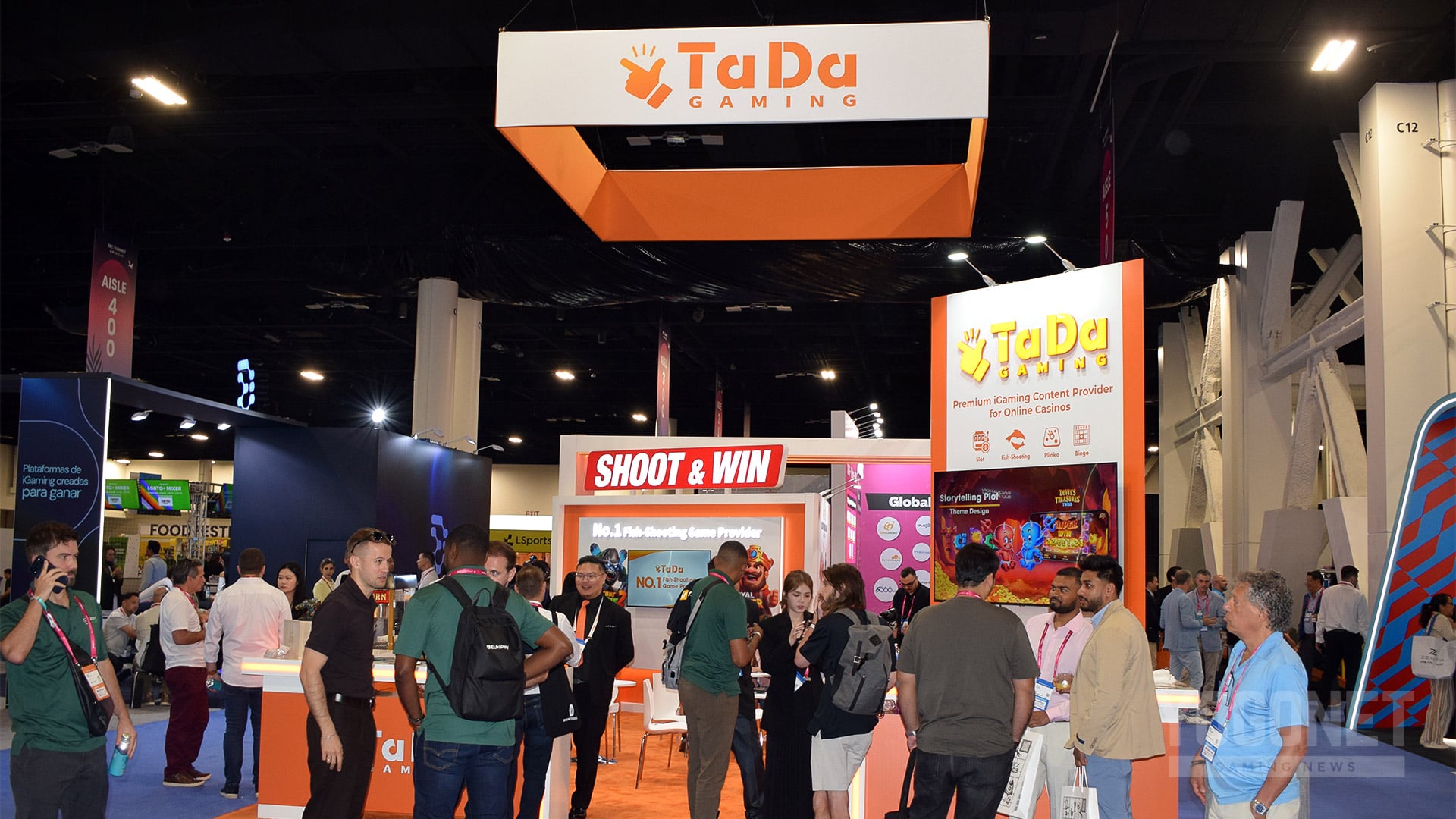
As SBC Summit Americas brought together operators, suppliers, and affiliates from across the region, TaDa Gaming arrived in Fort Lauderdale looking to build on its growing momentum in both North and Latin America. The company used the event as another stop in its “One Beat Ahead” roadshow, showcasing its latest content portfolio and discussing the opportunities emerging from newly regulated markets.
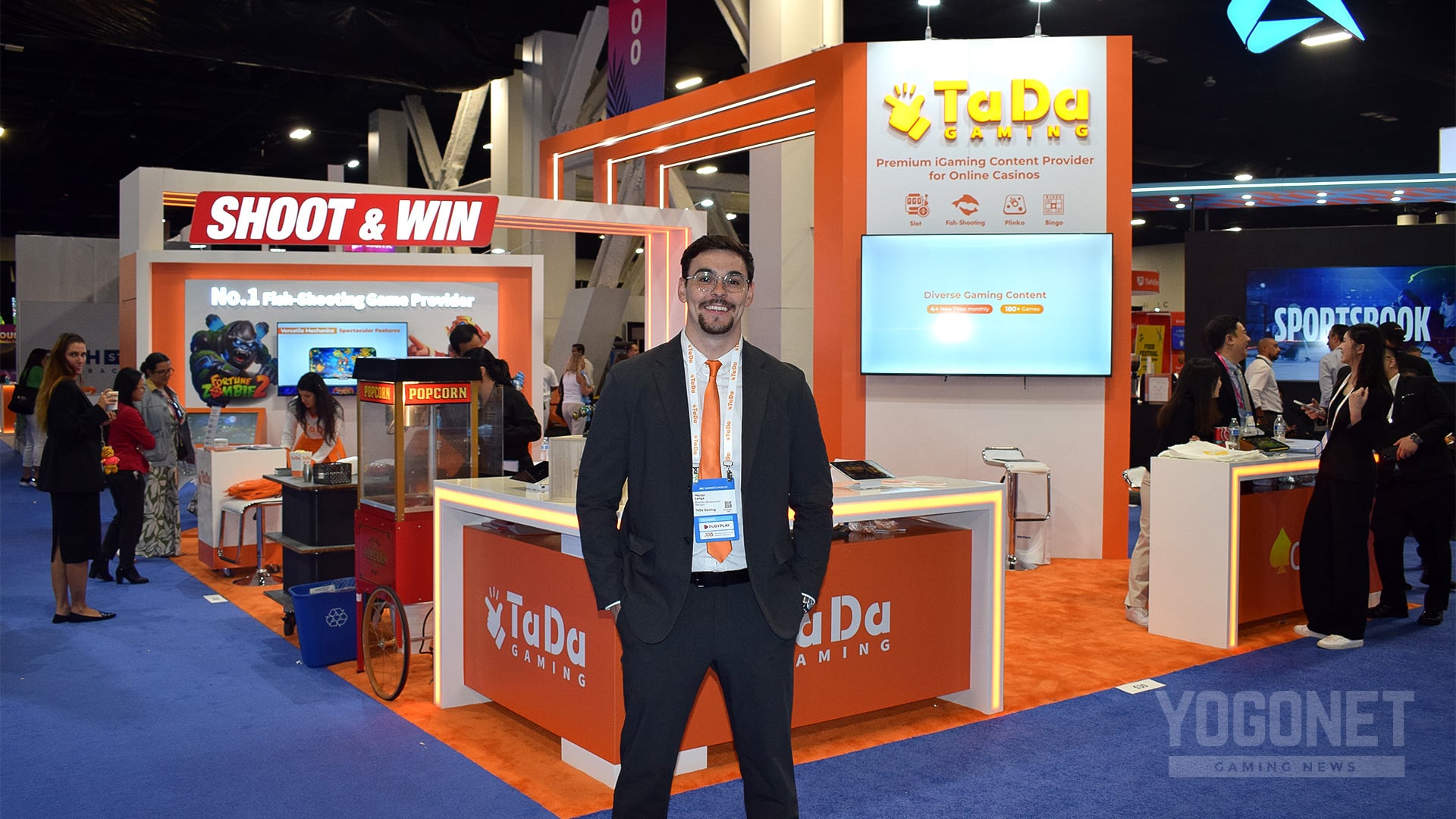
In an interview with Yogonet, Heitor Langa, Business Development Manager at TaDa Gaming, discusses the company’s localization strategy across the Americas, the rapid evolution of Brazil’s regulated market, the growing appeal of shooting games, and how partnerships with major operators such as FanDuel and DraftKings are helping shape its expansion plans across the region.
SBC Summit Americas marked another stop in TaDa Gaming’s “One Beat Ahead” roadshow. What were the company’s main objectives at this year’s event, and what are your key takeaways?
Our main objective at SBC Summit Americas was to raise awareness of our successful operations across both the United States and Latin America, particularly in markets such as Brazil, Mexico, Venezuela, and Peru.
Our “One Beat Ahead” strategy helps us better understand regional player preferences across these markets. Visitors to our stand were able to see the impact of our localization strategy and how it contributes not only to TaDa Gaming’s growth but also to the success of our operator partners.
TaDa Gaming has built a strong presence across both the U.S. and Latin America. How do player preferences differ between these regions, and how does that influence your localization strategy?
Our research in North America highlights a preference for immersive gameplay, longer playing sessions, casino-style mechanics, and familiarity with game concepts. That research helped shape titles such as Fortune Zombie and Fortune Zombie 2, which have performed exceptionally well in the market.
In Latin America, players tend to favor faster-paced experiences, instant reward mechanics, vibrant visuals, and themes that resonate with local cultures. Brazilian players, for example, respond best to content that reflects Brazilian culture, while Mexican and Peruvian audiences have their own preferences as well.
Our goal is to ensure that content is tailored to each market. We adapt themes, mechanics, and experiences to align with regional player expectations and maximize engagement.
Brazil has become one of the most talked-about regulated gaming markets in the world. How important was it for TaDa Gaming to be among the first certified providers, and how has the market evolved over the past year?
Being among the first certified providers gave us a clear first-mover advantage and demonstrated our commitment to regulation and compliance. It also sent a strong message to our partners that we were prepared to support the market from day one with certified content and a broad portfolio of games.
Brazil has quickly evolved into one of the fastest-growing regulated markets globally. Stricter licensing, compliance, and responsible gaming requirements have pushed some businesses out of the market, while encouraging operators to work with fully certified suppliers like TaDa Gaming.
You showcased new titles such as Devil’s Treasures and Fortune Zombie 2 at the event. What can operators and players expect from these releases?
Players can expect highly engaging gaming experiences.
Devil’s Treasures showcases our continued innovation in slots, while Fortune Zombie 2 expands on our successful shooting-game format with multiplayer gameplay, four weapon options, in-game avatars, and more frequent reward cycles designed to increase engagement.
Both titles demonstrate our commitment to localization and high-performance content tailored for regulated markets across the Americas.
Shooting games have become an increasingly important vertical for the company. Why do you think this format is resonating so strongly with players, particularly in North America?
In North America, players are already familiar with shooting game mechanics, which makes the format highly accessible. Titles such as Fortune Zombie and Fortune Zombie 2 tap into players’ desire for more active participation, allowing them to aim, shoot, and compete in a social multiplayer environment.
Through our operator partners, we’ve been able to expand awareness of this category and bring shooting games into the mainstream.
I also believe player preferences are evolving. Gambling has a long history in the U.S., but newer generations are looking for more interactive and engaging experiences than traditional slots alone can offer. That creates an opportunity for innovative formats like shooting games to gain traction.
TaDa Gaming already works with major operators such as FanDuel and DraftKings. What have those partnerships taught you about succeeding in regulated U.S. markets?
Working with leading U.S. operators has reinforced the importance of localization expertise and a deep understanding of state-by-state regulatory requirements.
Tier 1 operators expect excellence in analytics, scalability, and player engagement. Competition in regulated U.S. markets is highly data-driven and performance-focused.
Technical performance is equally important. These partnerships have helped us continuously improve our products, infrastructure, and operational standards to meet the expectations of the industry’s largest operators.
Looking beyond SBC Summit Americas, what are TaDa Gaming’s main growth priorities across the Americas over the coming months?
Our immediate focus is expanding further across regulated U.S. markets as we work toward our goal of achieving 10% month-over-month GGR growth in the country.
At the same time, we’re strengthening our position in emerging jurisdictions such as Argentina, Chile, and Peru, while continuing to scale localized content throughout Latin America, including Mexico.
We’re also actively pursuing broader partnerships with Tier 1 operators and aggregators while investing in compliance, certification, and technical infrastructure to support our next phase of growth.