








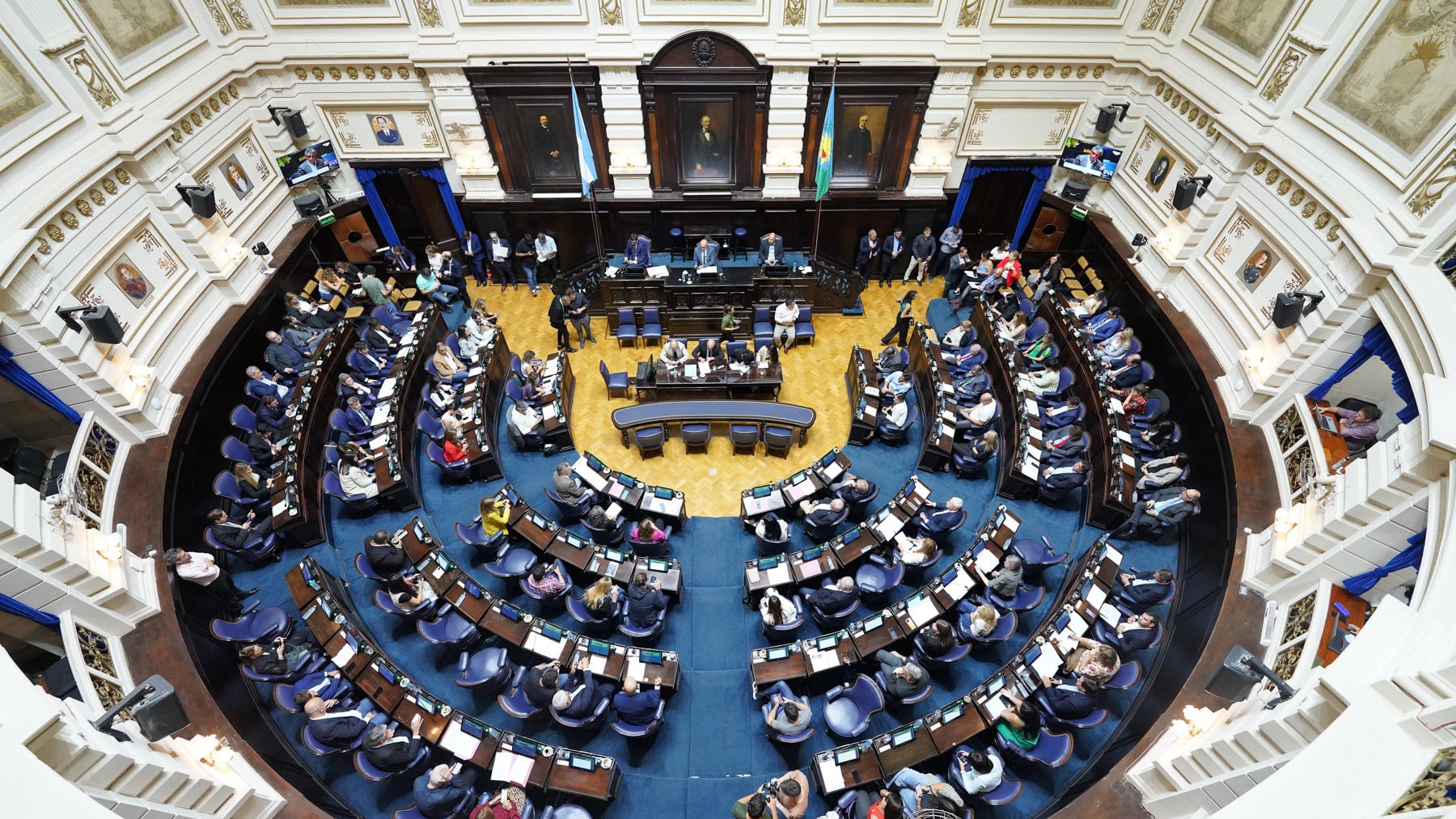
Buenos Aires Provincial Deputy Mayra Mendoza has introduced a new bill to establish operational rules for licensed betting platforms in the province of Buenos Aires. Key goals include setting play time limits, restricting daily login frequency, introducing mandatory facial recognition to verify user identities, and penalizing non-compliant operators.
The proposal applies to all online gambling and betting platforms licensed by the Provincial Institute of Lotteries and Casinos (IPLyC) of Buenos Aires, which currently total seven: Bet365, Betano, Stake, Betsson, Betwarrior, Bplay, and Sports.bet.
“Cyber-gambling addiction has consolidated as a complex issue affecting all age groups, showing up with particular aggressiveness in adolescents and young adults,” Mendoza stated.
Along those lines, the Peronist deputy warned that online betting poses a different risk compared to land-based gambling because it operates non-stop and is seamlessly integrated into the daily digital lives of younger generations.
Main points of the proposal
-
Establish a series of usage limits on these sites to reduce risks linked to gambling addiction, featuring a 60-minute limit per gaming session. Once reached, the system must automatically log the account out and prevent a new login for at least one hour.
-
Set a maximum of three logins per user every 24 hours. Once hit, the platform must block access until the next day and display a responsible gambling warning message.
-
Operators must permanently display elapsed time and money wagered. Whenever behavior indicates a potential loss of control, the system must trigger alerts that interrupt browsing to warn the user.
-
Implement biometric validation via real-time facial recognition, making it mandatory for logging into digital platforms, making deposits or withdrawals, and placing bets that exceed the minimum threshold defined by regulations.
-
If platforms fail to comply with any of these points, they could face financial fines, temporary license suspensions, or even the permanent revocation of their authorization to operate the service in the province of Buenos Aires.
In turn, the Executive Branch will need to designate an enforcement authority empowered to regulate the technical aspects of the law, set a compliance timeline of up to 90 days, and sign agreements with specialized agencies to implement the corresponding identity verification systems.
Working group
Mayra Mendoza’s initiative also outlines the creation of a Permanent Working and Monitoring Group within the Buenos Aires Chamber of Deputies. Composed of the Gambling, Lottery, and Gambling Addiction Prevention Commission, it will invite civil society organizations and specialists to monitor the law’s application, evaluate the performance of new technologies, and propose potential tweaks as tech evolves.
“Updating our rules to fit new dynamics is a necessary step to address cyber-gambling addiction from a comprehensive and human perspective. The goal is for regulation to evolve alongside technology, prioritizing citizen well-being and offering a safety framework against systems designed for indefinite engagement,” the lawmaker said.
The submitted document will now be reviewed by the newly formed Gambling, Lottery, and Gambling Addiction Prevention Commission, which was created during the lower house’s February session and held its first meeting just a few weeks ago.
You can read the full bill at this link.