







Major League Baseball and its players’ union are facing congressional pressure to restrict athletes from promoting gambling companies as lawmakers scrutinize the relationship between professional sports and sportsbook operators.
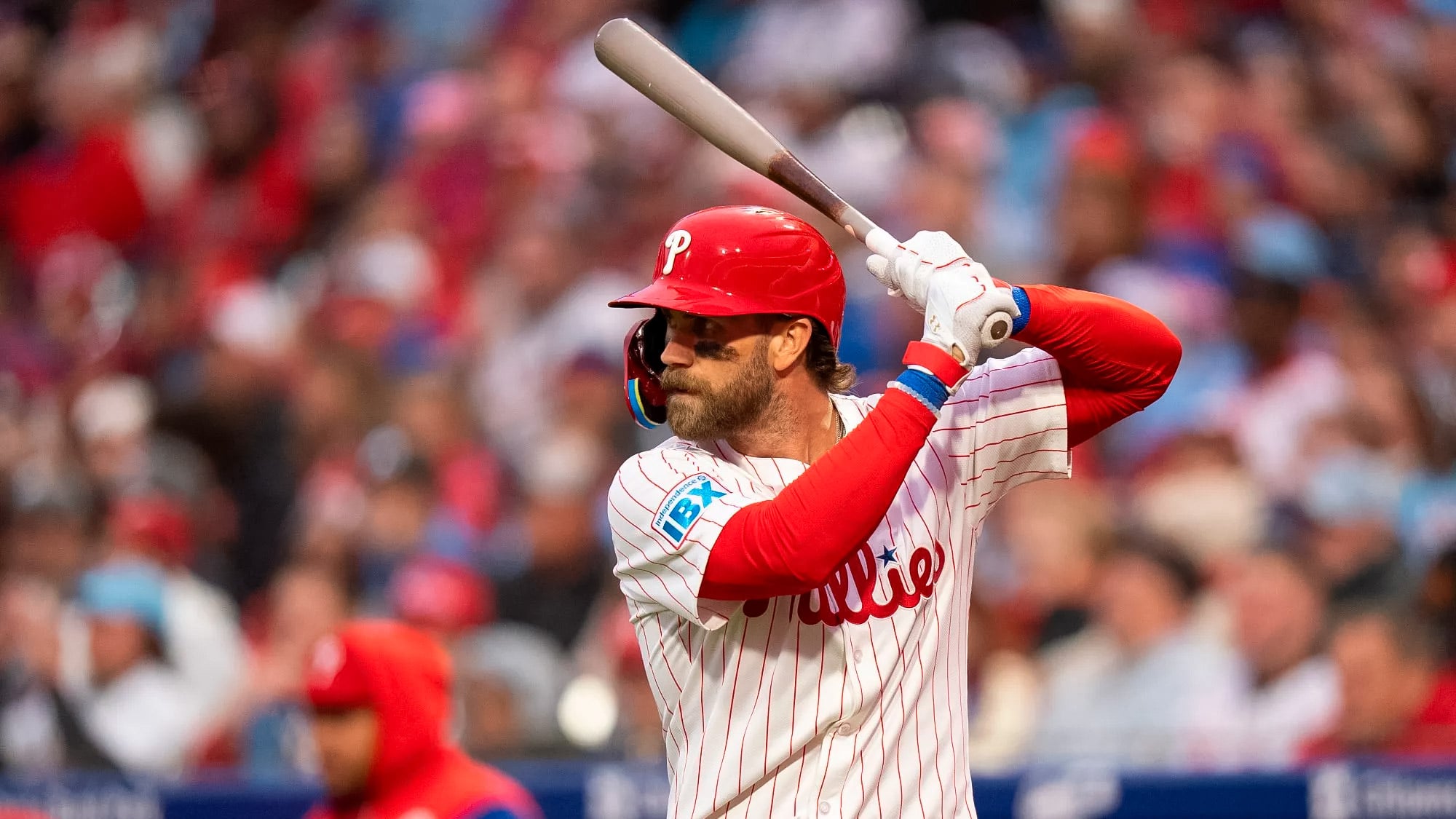
The push follows a case involving Philadelphia Phillies star Bryce Harper and a FanDuel bettor with a gambling addiction, which has led three members of Congress to demand that the sportsbook end its VIP reward program.
The congressional intervention follows reporting by The Inquirer in July that a FanDuel VIP manager sent Terry Thompson, a Montgomery County resident, a personal video greeting from Harper in 2024. Thompson ultimately lost $1.5 million on wagers placed with FanDuel.
MLB’s collective bargaining agreement, which is set to expire in December, permits players to appear in advertisements or make personal appearances for casinos, racetracks, or sportsbook companies as long as they do not encourage betting on baseball.
U.S. Sen. Richard Blumenthal (D., Conn.) and U.S. Reps. Paul D. Tonko (D., N.Y.) and Valerie P. Foushee (D., N.C.) described the absence of a prohibition on gambling-related promotional work as a “systemic failure,” rooted in “the deep enmeshment between leagues, teams, and sportsbooks.”
The three Democrats wrote separately to MLB Commissioner Robert D. Manfred and Bruce Meyer, interim executive director of the Major League Baseball Players Association, calling for “an end to the MLB and MLBPA policies that enabled this type of predatory promotion.”
As MLB and the players union negotiate a new collective bargaining agreement, the MLBPA is seeking greater freedom for players to pursue endorsements from sportsbook operators and prediction markets, according to ESPN.
Blumenthal, Tonko, and Foushee asked both MLB and the MLBPA to answer questions about their partnerships with sportsbook operators. The lawmakers said the organizations “must not allow players, regardless of their level of awareness, to legitimize sportsbook VIP programs designed to exploit the most vulnerable fans.”
VIP programs draw scrutiny
Bryce Harper said he had recorded the 21-second message through the video service Cameo and did not know that FanDuel would use it as a reward for a gambler.
Thompson planned to die by suicide earlier this year rather than disclose the extent of his gambling losses to his family, according to a lawsuit filed on his behalf in March by the nonprofit Public Health Advocacy Institute against FanDuel and DraftKings. The lawsuit alleges that DraftKings had also provided Thompson with VIP perks.
Thompson has alleged that his FanDuel VIP host sometimes asked about his family and provided him with Champagne and tickets to two Super Bowls. The lawmakers said VIP managers cultivate “false friendships” with gamblers to encourage additional betting.
In a letter to FanDuel CEO Christian Genetski, the lawmakers demanded that the sportsbook operator discontinue its VIP rewards program. “FanDuel should not be using reckless and unscrupulous loyalty programs to drive bettors into debt and addiction,” Blumenthal, Tonko and Foushee wrote.
The lawmakers, who cited The Inquirer’s reporting, gave Genetski until Aug. 24 to respond to eight questions about FanDuel’s practices. Among them were whether VIP managers have sent videos featuring other athletes or celebrities to gamblers and whether the company monitors its VIP managers to prevent predatory offers from being extended to problem gamblers.
A FanDuel spokesperson said the company uses a monitoring system to identify concerning patterns and employs “trained specialists” to assist gamblers who display signs of harmful behavior.
“Customer protection informs every decision we make as an organization, and we do not compromise when it comes to doing the right thing for our customers,” the spokesperson said.
Original article: https://www.yogonet.com/international/news/2026/08/11/125834-lawmakers-urge-fanduel-to-end-vip-program-seek-mlb-curbs-on-gambling-promotions