








A Philippine lawmaker has filed legislation seeking to prohibit online gambling advertising, promotions, endorsements and sponsorships nationwide, with penalties including multimillion-peso fines, imprisonment and possible license revocation.
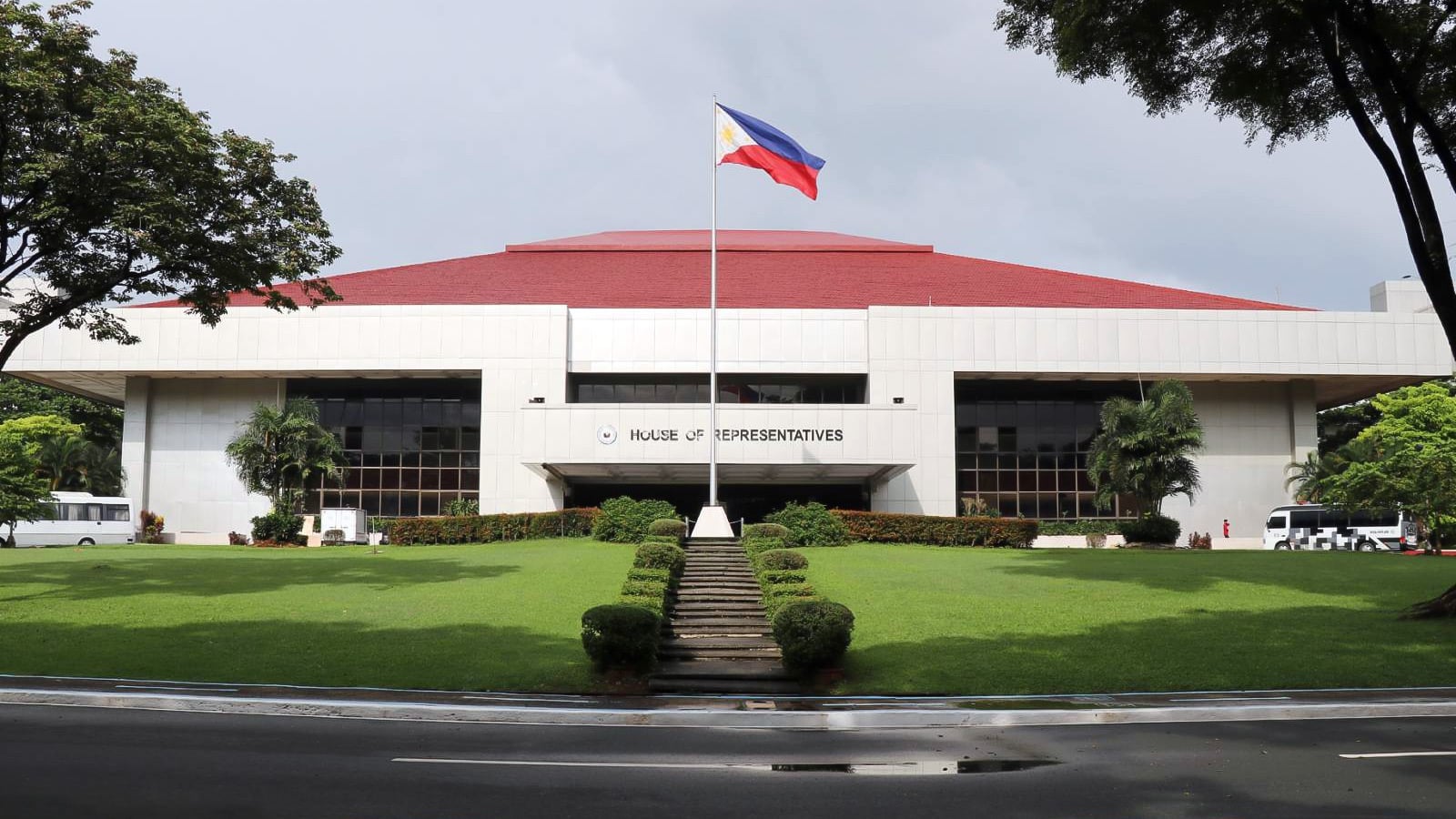
House Bill No. 10982, or the proposed “Online Gambling Advertising Prohibition Act of 2026,” was authored by Cebu 3rd District Rep. Karen Hope Garcia and submitted to the House of Representatives’ Secretariat on August 26.
The measure would cover television, radio, print, billboards, social media, websites and mobile applications, as well as search-engine and targeted advertising, email and SMS marketing. Promotions by influencers, content creators, affiliate marketers, celebrities and vloggers would also be prohibited, alongside sponsorships involving sports, concerts and other events.
The bill would also ban bonuses, free bets and referral codes intended to attract players. Cross-promotion would be covered, meaning advertisements for land-based products sharing a brand with an online gambling operator would likewise be prohibited.
Violators could face fines ranging from P500,000 ($7,998) to P10 million ($159,685), suspension or cancellation of licenses, and imprisonment of up to three years. Social media platforms, media companies, advertising technology firms, internet service providers and other entities could face fines of P50,000 per day for non-compliance and possible license revocation.
Public figures who endorse online gambling could be required to disgorge payments received and be barred from making such endorsements for three to five years. The proposal would also tighten age and identity verification requirements for online gambling accounts.
Garcia said the measure is intended to limit the exposure of young people and financially vulnerable individuals to gambling marketing. “This bill tells the industry it (online gambling) can’t chase our children and our vulnerable families into their own homes to sell them on it,” Garcia said.
“Nobody asked for a casino on their phone, open twenty-four hours a day. It got there through an ad on a livestream, a bonus code passed around on social media, a famous influencer telling our youth that the odds are in their favor,” she added.
The proposal would not make regulated gambling illegal. Authorized casinos, Philippine Charity Sweepstakes Office lotteries and sweepstakes, horse racing and licensed cockfighting in cockpits would remain permitted.
Advertising for those non-online activities would also remain allowed, subject to responsible gaming advisories, content standards and other restrictions. News reporting, academic discussions and government communications would be exempt.
Garcia cited Philippine Amusement and Gaming Corporation data showing electronic and online gaming generated P201.12 billion ($3.36 billion) in gross gaming revenue in 2025, representing 50.77 percent of the Philippine gaming industry’s P396.14 billion ($6.34 billion) total and surpassing licensed casinos as the largest contributor for the first time.
“Every peso of that growth came from an ad, a sponsorship, or an influencer post that reached someone’s son, someone’s father, someone’s breadwinner,” Garcia said.
The bill also cites financial and health risks associated with gambling. The World Health Organization’s 2024 fact sheet described gambling disorder as a “health-harming addictive behavior” exacerbated by commercialization and digitalization. The WHO has recommended prohibiting gambling advertisements, promotions and sponsorships as part of efforts to reduce gambling-related harm.
“Every smartphone is now a potential 24-hour casino,” Garcia said.
Garcia’s proposal joins other measures filed in the 20th Congress seeking tighter restrictions on gambling advertising. Senator Francis “Chiz” Escudero earlier filed Senate Bill No. 2347, which seeks a nationwide ban on gambling-related advertisements and sponsorships to address irresponsible and excessive gambling.
Original article: https://www.yogonet.com/international/news/2026/09/03/126208-philippine-house-bill-proposes-nationwide-ban-on-online-gambling-advertising