








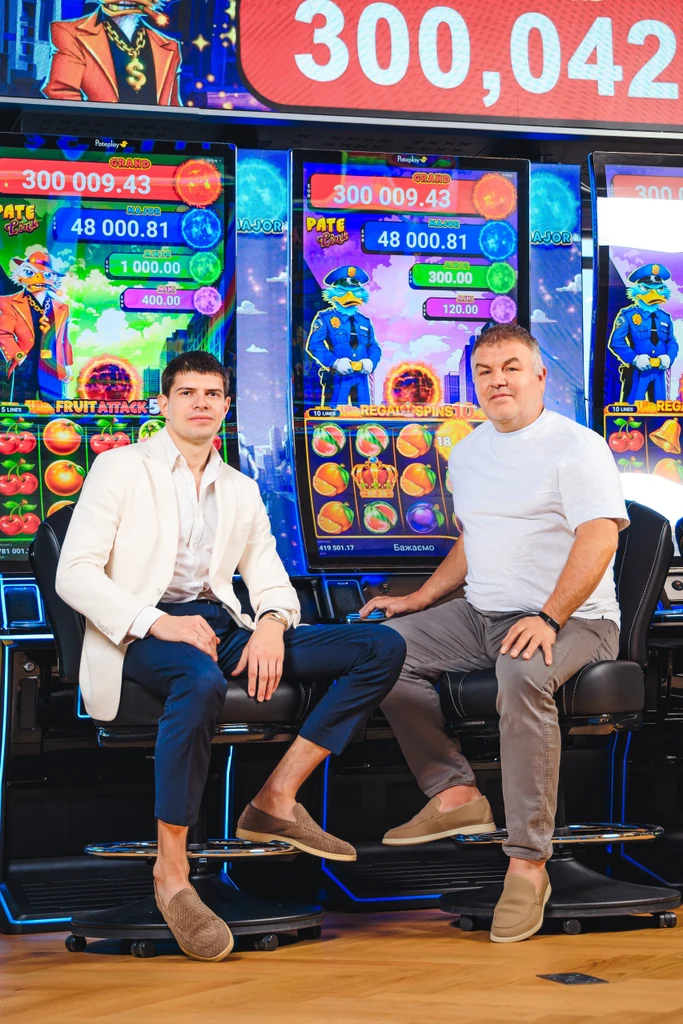
Georgi Petrov Papazki’s perspective is shaped by more than three decades of experience at the heart of some of the gaming sector’s most recognisable and innovative businesses.
From the evolution of retail and online gambling to the behavioural and regulatory shifts influencing industry trends in the 2020s and beyond, Papazki has seen it all, with ‘change’ being the only constant.
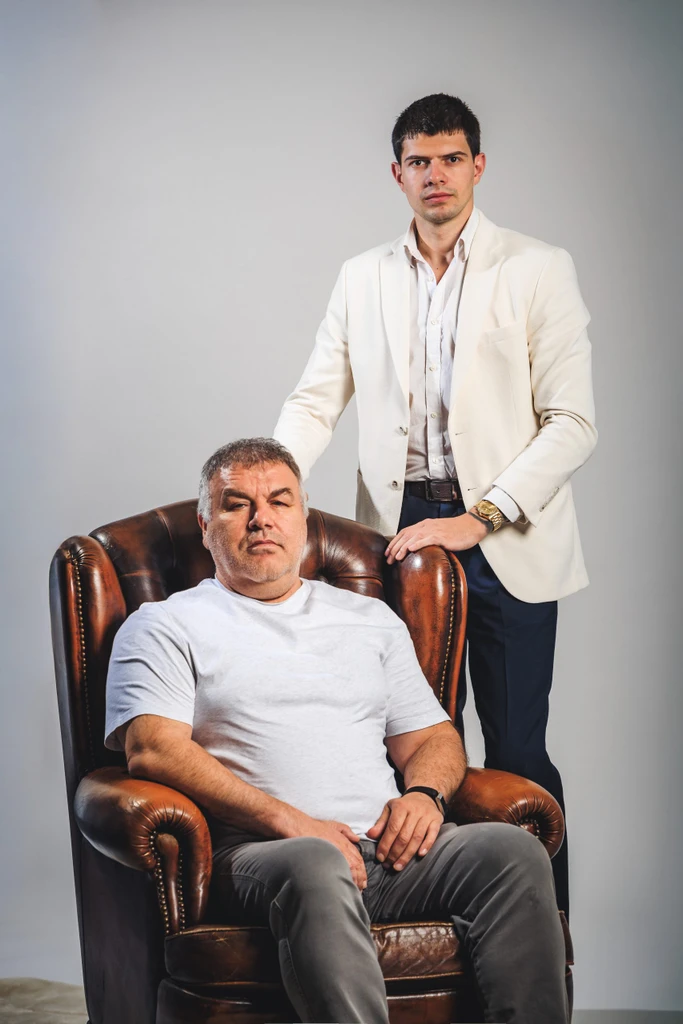
This is a lesson Papazki is instilling in the leadership team at Pateplay – the Sofia-based provider of slots, live casino games and land-based products that he founded. This includes Georgi Aleksandrov, who was promoted from the role of chief product officer to CEO of the business last August.
“I have spent more than 30 years in the gaming industry, starting from the land-based side of the business when the market was very different from what it is today,” says Papazki, who was also one of the founders of Bulgaria-based EuroGames Technology (EGT) nearly a quarter of a century ago.
“Over the years, I learned that this industry constantly changes, so you must either adapt or disappear. One of the most important milestones for me was understanding early that online gaming would eventually become a major part of the business. That is why we always tried to build companies and teams that could evolve with the market instead of staying comfortable with what already works now.”
Fast-forward to 2026, and one of Papazki’s companies, Pateplay, has grown to a staff headcount of well over 100 and is available via over 700 casino sites across 15 European and Latin American markets.
“Today my focus is less about day-to-day operations and more about building strong people, strong structures and long-term vision,” he says. “In the end, businesses grow because of the visionary and adaptable teams behind them.”
Passing the baton
Identifying, installing and equipping the new CEO of an iGaming business is rarely a seamless transition. Careful planning, early due diligence and ensuring a new leader buys into an enterprise’s unique ‘chemistry’ are vital factors in ensuring successful succession planning, according to experts.
Papazki, who understands that passing on the leadership baton to the next generation is a major milestone for any business, insists that the age of the successor should not be a key consideration. “It is about mindset, responsibility and hunger,” he says.
“I want to see someone who is willing to take all the pressure, execute the difficult decisions and continue pushing regardless of how difficult the challenges may be.
“Knowledge transfer does not happen in one meeting. It happens over time, through real situations, negotiations, mistakes and difficult moments. You cannot teach experience only with words.
“I let Georgi go through his own challenges, often let him make the wrong move and make sure he learns from his mistakes – and yes, sometimes make sure he listens and learns on the go.”
Learning valuable lessons
According to Aleksandrov, who highlights the importance of “relationships, honesty and trust” as a leader in the gaming industry, Papazki’s “valuable lessons” have helped to frame who he is today – both in business and life.
Aleksandrov says: “The first and most important lesson came even before I became CEO. He taught me that ‘we are the only ones who create our own barriers by not believing that anything is possible’. He first explained this to me, but I only understood it after observing how he executes on his intentions and is able to transform them into reality.”
In turn, Papazki praises Aleksandrov for his passion and understanding of modern business, while acknowledging that there is always room to grow into the role of CEO.
“My role is to help him avoid some of the mistakes that every businessman makes early in his career path or at least see them and correct them down the path,” the Pateplay founder says, while acknowledging that his namesake could also provide a fresh perspective.
“Every generation sees opportunities differently and that is healthy. Younger people bring speed, energy and a different mindset, especially in the online side of business. My role now is to support that transition with experience and stability.”
Game-changing transition
Papazki is well aware that the challenges and opportunities of steering a business in the sector have evolved over the years, with Aleksandrov taking the reins in an industry that has changed considerably over the past generation. Primarily, he underlines the transition from traditional land-based gaming to online and mobile, and the impact of evolving player behaviour.
“I also think the speed of technology changed the business,” Papazki says. “Back in the day, companies had years to adapt. Now everything changes within months, and we need to stay ready for new challenges, new opportunities and new technology.”
Papazki is confident that technology will continue to reshape the industry – especially regarding the way content is delivered to players – with AI set to “fundamentally change the way our technical teams work and programme”. However, he adds a note of caution.
“At the end of the day, technology is only a tool,” he says. “The fundamentals of good business still remain the same – strong relationships, discipline and understanding what players want.”
Papazki highlights how the sector has become faster, more dynamic and much more competitive globally, with changing regulation presenting a further challenge.
“Years ago, many markets operated very differently. Today, we need to think long-term, work transparently and be prepared for highly regulated environments,” the Pateplay founder says.
This strategic vision feeds into how Pateplay prioritises opportunities to scale internationally.
“We focus on markets where we see long-term potential, because we believe our products can compete at the highest level,” Papazki says. “Rapid scalability, strategic partnerships and speed of entry are all important factors for us. Right now, regulated markets are a major focus, because they create stability and long-term opportunities for serious players.”
Expansion on the agenda
International expansion is firmly on Pateplay’s agenda, with Aleksandrov pinpointing how establishing a foothold in the United States is a central objective.
“Entering the US both online and with our land-based cabinets is clearly the biggest and most demanding step for us right now,” the CEO says. “It takes time and effort, but it’s the natural next phase of our growth. We see it as a move that will elevate us not just financially, but also in terms of reputation.”
The US is not the only international market in Pateplay’s sights, though. In March, for instance, the business secured certification in Greece, and there are ongoing plans to grow across multiple regulated jurisdictions.
“Our approach follows the same principles that worked for Mr Papazki back in the day; having the right people on the ground in each market, empowered to operate locally and make decisions,” Aleksandrov says. “We trust our teams fully, and that autonomy is what allows us to execute across multiple regions quickly and successfully.”
He adds that the type of careful, phased approach encouraged by Papazki helps Pateplay to “maximise each market efficiently.”
Aleksandrov explains: “We structure expansion in stages to ensure fast but stable growth, and we adjust the approach slightly depending on the jurisdiction. It’s a proven system that continues to deliver strong results for us.”
Learning quickly
Aleksandrov echoes Papazki’s comments that the ability to be agile will continue to be a vital differentiator in achieving success in a space as competitive as gaming.
“Success will come from the ability to learn quickly; both from mistakes and from the leading players in the industry,” Aleksandrov says. “My advice to anyone coming into this space is simple: leave your ego at the door and stay open to experience and learning, so you don’t have to repeat avoidable mistakes.”
By reiterating the importance of trust at the heart of the business, it is clear that Pateplay’s founder and CEO share the same values, helping to provide the foundations for a smooth transition of control.
“I always believed a company must be built without creating indispensable people,” Papazki concludes. “We must always focus on building an organisation, not individuals. The wheel must keep spinning regardless of what happens to anyone involved in the processes.
“You need to build strong people around you early, give them responsibility and allow them to grow through difficult situations. Real leadership succession is not created through titles – it is created through trust and experience over time.”
Original article: https://igamingbusiness.com/people/pateplay-key-successful-succession-planning/