








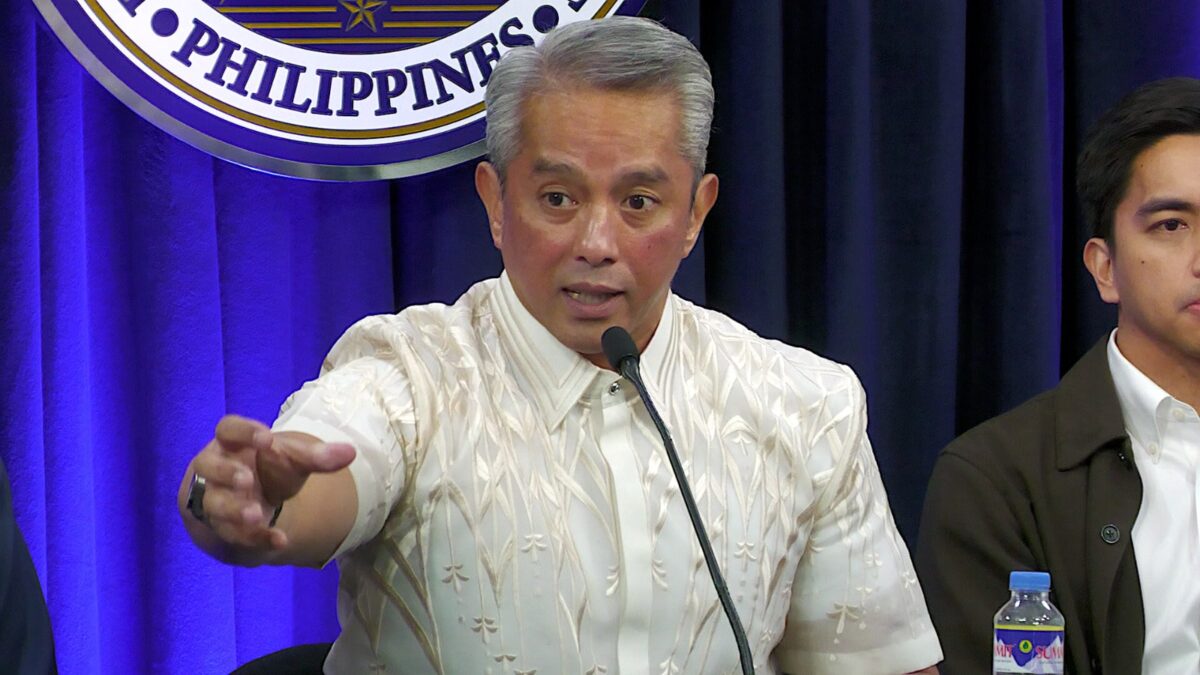
On Monday, the National Bureau of Investigation-National Capital Region (NBI-NCR) announced it is investigating the alleged theft of rural land in Bataan Province to a company associated with Philippine Offshore Gaming Operations (POGOs).
In 2024, Philippine President Ferdinand Marcos Jr banned the country’s crime-ridden offshore gaming industry, calling for its exit by 2025. More than a year later, the impact of POGOs continues to reverberate.
Local farmers say the rural parcels were illegally transferred, without authorisation from the Department of Agrarian Reform, to a holding company associated with Harry Roque. The attorney, a purported human rights advocate, was once the spokesman for former president Rodrigo Duterte.
Last year, prosecutors charged him with qualified human trafficking at a POGO operation in Pampanga. Soon after, Roque fled the Philippines and is now reportedly living in Austria.
“Preliminary information indicates the possible falsification of documents” in the land transfers, according to the NBI-NCR. That raised “serious concerns about the validity and legality” of the process. The bureau said the land-grab allegations will be thoroughly investigated and, if necessary, prosecuted.
The rise and fall of POGOs
POGOs were first legalised in 2016, during the Duterte administration. They contributed significant revenue for the government: PHP5.17 billion (US$86 million) in 2023, with estimates of PHP7 billion for 2024. The industry began to unravel after raids on several POGOs uncovered evidence of criminal activity, including online love and crypto scams and forced labour.
“Disguising as legitimate entities, the operations have ventured into illicit areas furthest from gaming,” Marcos said in his 2024 State of the Nation address. The president listed “financial scamming, money laundering, prostitution, human trafficking, kidnapping, brutal torture – even murder”.
Based on the allegations, he ordered that all POGOs, legitimate and otherwise, shut down by the end of the year.
That October, as the industry ostensibly was winding down, police raided Central One Bataan Inc, a business process outsourcing company allegedly fronting for a POGO. The company was not registered with the Philippine Amusement and Gaming Corp, which licenses the domestic gaming industry. Central One denied the allegations.
POGOs also linked to drug trade
In related news, in a Tuesday press briefing, Interior Secretary Jonvic Remulla said Chinese nationals connected to POGOs led most of the active drug syndicates in the country.
“Those POGOs became a plague on the Philippines,” Remulla told reporters at a press briefing. “Everything illegal from 2016 to 2025 until now, we’re paying for the effects of those POGOs. Almost all the syndicates we’ve caught here are led by Chinese nationals using visas from POGOs.”
On Tuesday, Remulla joined with representatives of national law enforcement in Trece Martires City to burn PHP4.56 billion worth of illegal drugs. That represents the amount confiscated during illegal drug cases in just the last six months.

Marjorie Preston
Marjorie began her gaming career in 2007 and has focused on Asian gaming markets since 2020. Outside of work, she writes about travel and film and plays the drums.
Original article: https://igamingbusiness.com/cyberfraud/pogo-retrospective-banned-philippine-offshore-gaming-industry-linked-to-drug-trade-land-theft/