








The second half of the year is expected to bring a series of targeted developments across the U.S. casino sector, with a clear concentration on projects already under execution. Openings, expansions and property-level upgrades will not expand the market in aggregate, but they are set to redefine performance benchmarks within specific regions, particularly where new supply coincides with mature demand.
From an operator perspective, the focus is shifting towards asset optimisation, competitive positioning and revenue mix, with each project designed to deliver measurable impact at property level. As a result, the relevance of these developments lies less in their scale and more in their ability to alter local dynamics, capture incremental demand and reinforce market share in defined catchment areas.
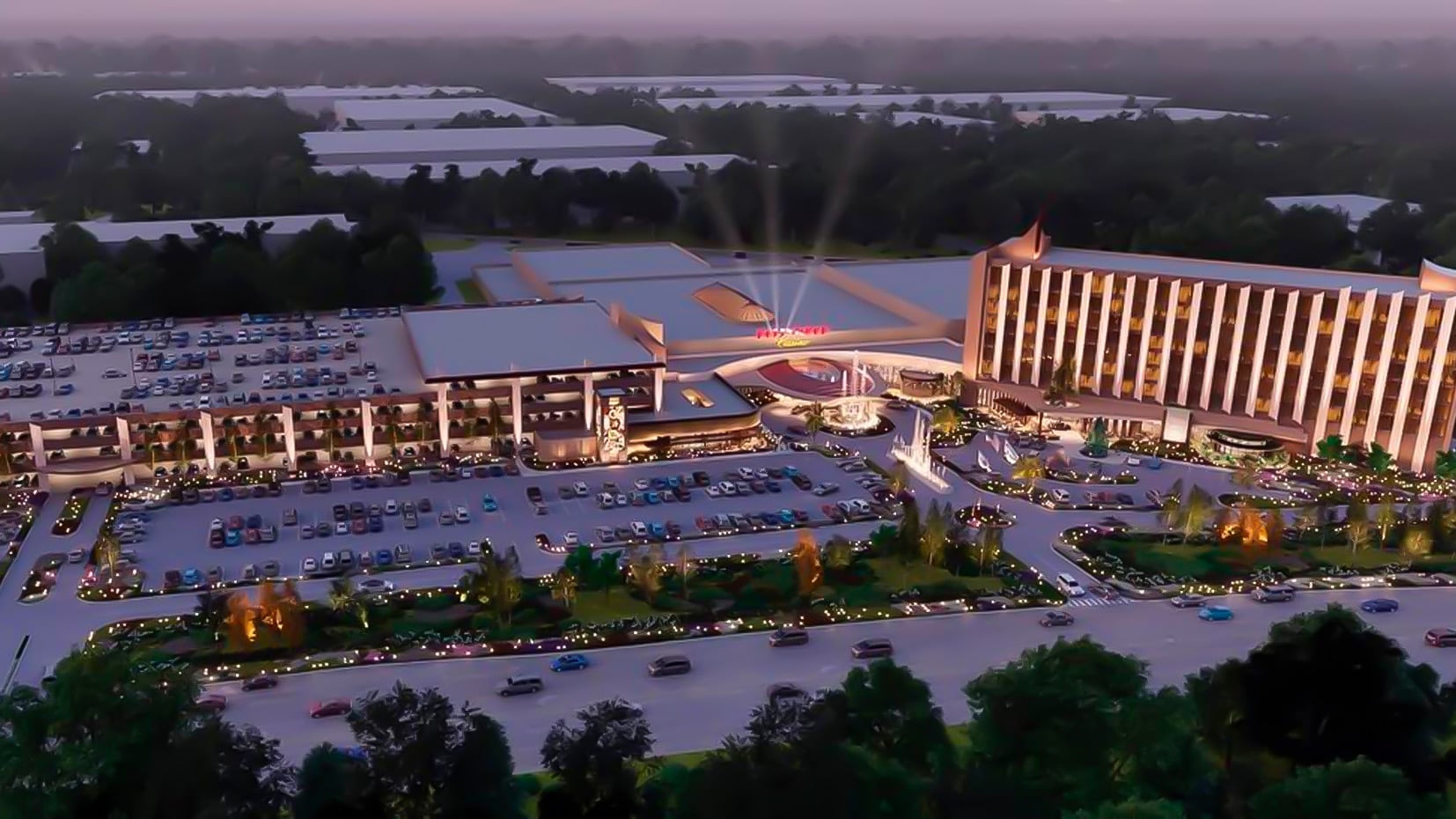
One of the most concrete milestones comes on 24 June, with the opening of Hollywood Casino Aurora, developed by PENN Entertainment. In its 2026 investor communications, CEO Jay Snowden described the project as a step towards delivering a “premium entertainment destination” in the Chicago area, highlighting its improved accessibility and broader mix of amenities compared with the legacy riverboat. Earlier that month, on 12 June, PENN is also scheduled to open a new hotel at Hollywood Casino Columbus, reinforcing the company’s focus on strengthening existing assets through targeted investment.Across the Midwest, additional projects are contributing to a steady increase in regional activity. Ho-Chunk Gaming Beloit continues to target a September 2026 opening window, with local leadership positioning it as a development aimed at capturing cross-border demand and expanding tourism. In Iowa, Cedar Crossing Casino is progressing towards a late-2026 completion, supported by municipal planning that frames the project as part of a broader economic initiative. Taken together, these developments point to a more active competitive landscape across secondary markets, where incremental supply can have a tangible impact.
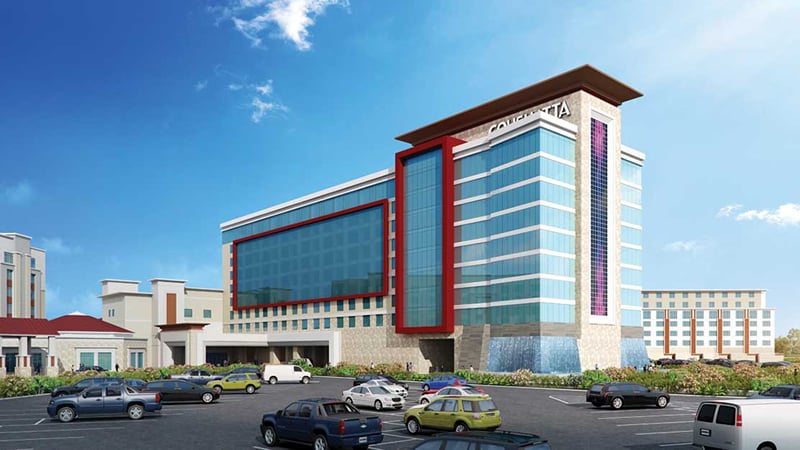
In California, operator focus remains on refining the product within established demand pools. The ongoing development at Graton Resort & Casino includes the rollout of a large smoke-free gaming area, a move aligned with broader efforts to enhance the guest experience across different customer segments. At the same time, North Fork Mono Casino & Resort continues to be projected for a 2026 opening, with official communications highlighting its expected role in generating employment and introducing new scale to the Central Valley market.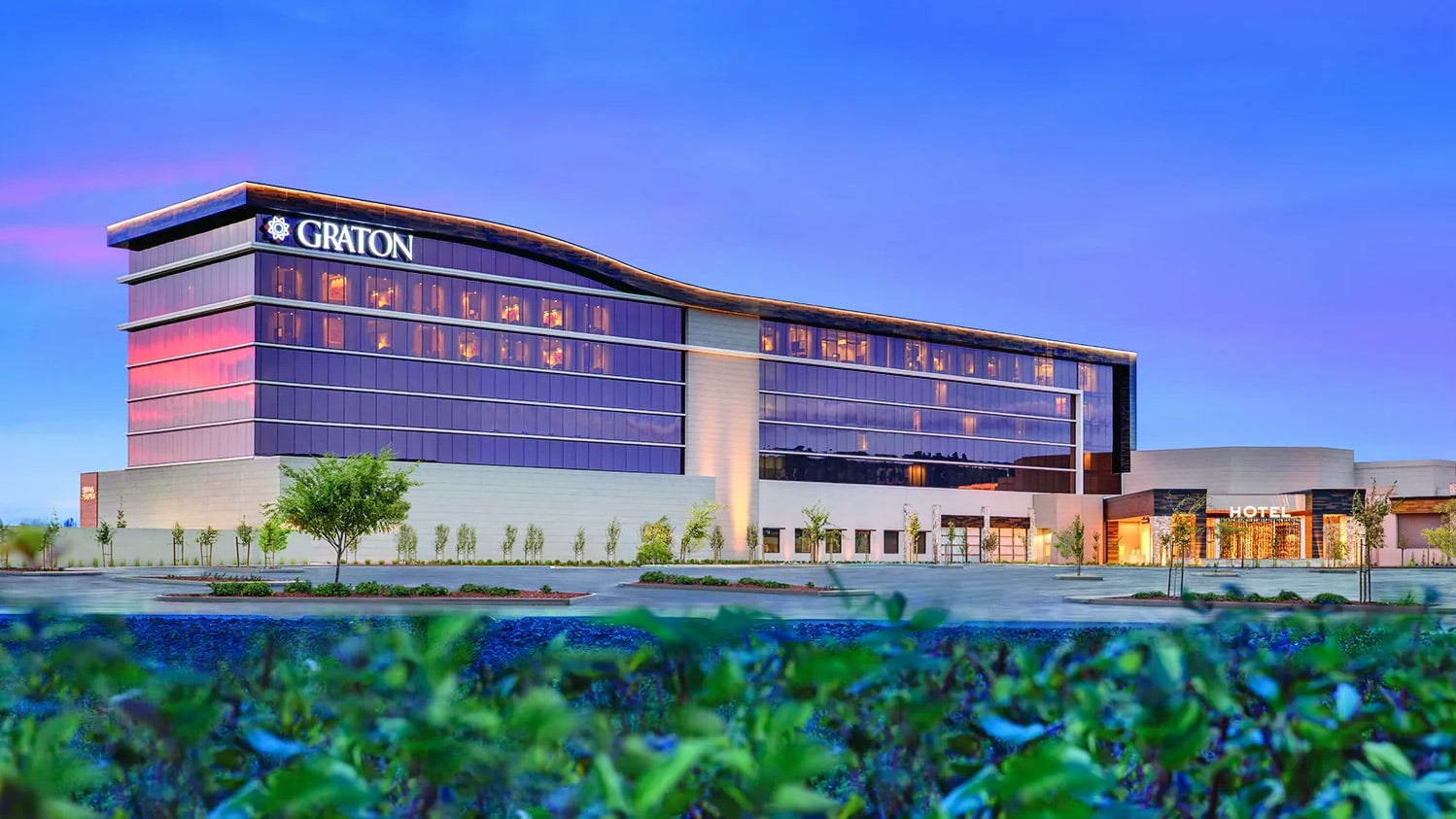 In the southern U.S., expansion strategies are increasingly centred on extending the overall resort experience. The new hotel tower at Coushatta Casino Resort, scheduled for opening in May, has been described by general manager Nate Tanner as part of a long-term investment in the property’s future, with a focus on attracting overnight visitors and group business. Similarly, Hard Rock International has continued to emphasise its strategy of developing destination-style properties that integrate gaming with hospitality and entertainment, as reflected in projects such as Lake Texoma.
 In Nevada, and particularly in Las Vegas, the 2026 calendar does not include major new casino openings, yet the market remains active through ongoing reinvestment. Operators are allocating capital to room refurbishments, gaming floor optimisation and premium experience upgrades, responding to evolving customer expectations and a competitive environment shaped by high-value visitors. At the same time, large-scale developments such as the transformation of the former Mirage by Hard Rock International—targeted for a later opening—are already influencing investment decisions across the Strip.
A similar pattern is visible in Atlantic City, where operators continue to advance targeted capital programmes. In early 2026, executives at Hard Rock Hotel & Casino Atlantic City confirmed a USD 50 million investment focused on room upgrades and new amenities, with president George Goldhoff stating that the initiative reflects the company’s ongoing commitment to reinvestment and long-term positioning in the market.
Chicago remains one of the most strategically significant developments still in progress, with Bally’s Corporation continuing work on its permanent resort. CEO Robeson Reeves has framed the project as a long-term investment in a major urban market, with expected contributions to tourism and local economic activity once completed. While the opening timeline extends beyond immediate milestones, its relevance to the broader U.S. market remains substantial.
What emerges from this pipeline is not a story of expansion in the conventional sense, but one of progressive recalibration across key markets. The projects scheduled through the remainder of the year are unlikely to alter the national picture overnight, yet their cumulative effect will be felt in the form of subtle but meaningful shifts in performance, particularly in regions where multiple developments converge within a short period.
For operators, the challenge is no longer simply to build or expand, but to ensure that each investment delivers measurable returns in increasingly competitive environments. For suppliers and partners, the implications are equally clear: opportunities will be defined less by scale and more by precision, by the ability to align with projects that are not only opening, but reshaping how existing markets operate.
As the year moves towards its final quarter, the industry will not be watching for a single landmark launch. Instead, attention will remain fixed on a series of interconnected developments that, taken together, will redefine how value is created across the U.S. casino landscape—quietly, but decisively.
Original article: https://www.yogonet.com/international/news/2026/04/13/118526-us-casino-pipeline-2026-confirmed-openings-resort-expansions-and-where-operators-are-investing-next