








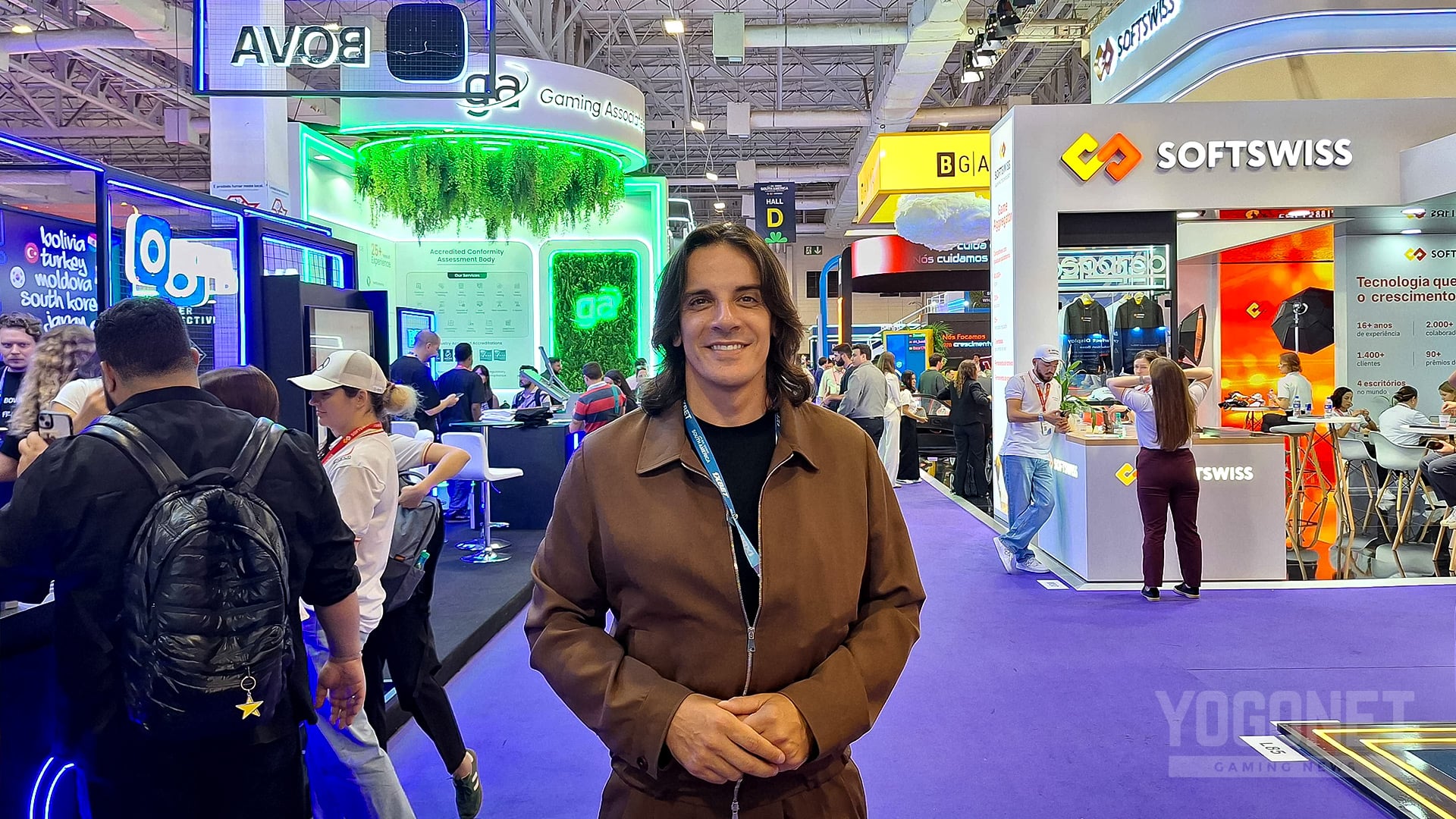
During BiS SiGMA South America, held in São Paulo from April 6–9, Yogonet conducted an exclusive interview with Eman Pulis, founder of SiGMA Group. In the conversation, he highlighted the importance of the event within the current regulatory landscape of Brazil’s online betting market.
The interview also touched on topics such as social responsibility in the gaming industry, the risks of overregulation, the launch of a new SiGMA Group event in Mexico, and the goal of bringing the gaming sector closer to the tech innovation ecosystem.
SiGMA Group hosts several events around the world. Within this portfolio, how do you assess the importance of BiS SiGMA South America in São Paulo?
The event plays a very important role for Brazil. We are at a critical moment, with regulation advancing, and I believe SiGMA has a key role in bringing together the industry and regulators so everyone can learn together and ensure sustainable growth in the sector. The event is also aligned with our broader ambition, which is to promote regulated gaming globally.
SiGMA will always be where the industry needs it. We are present in all emerging markets: Dubai, Sri Lanka, Manila, São Paulo, Cape Town, and soon Mexico City. These are the places where we need to reinforce the message that regulated gaming is the only viable path.
It’s very important to be here in São Paulo, the business capital of iGaming in Latin America. I’m very pleased to see regulators from across Latin America participating, as well as regional media highlighting the relevance of the event.
The event changed its name: it was previously BiS SiGMA Americas and is now BiS SiGMA South America. This came after the launch of SiGMA North America in Mexico. Why create a new event instead of concentrating everything in São Paulo?
When we held BiS SiGMA Americas in São Paulo, we were meeting a demand. However, we realized the event needed to be conducted in Portuguese for the Brazilian audience. Latin America is divided between Portuguese- and Spanish-speaking markets, and we didn’t have a presence in North America.
We identified a perfect opportunity. First, we could create a conference tailored to the Spanish-speaking Latin American audience, which the São Paulo event didn’t fully address.
Second, the Mexican gaming market is gaining strong momentum, and we’ve seen significant demand from companies. The Mexico City event will serve not only Spanish-speaking Latin America but also the North American market, offering a new option. There are already great shows in the U.S., and now there will be a major gathering in Mexico.
Whether you’re on the East or West Coast of the United States, it’s relatively easy to travel to Mexico. We also shouldn’t forget that Mexicans closely follow U.S. sports—NBA, NFL, baseball, and others. So I believe we have a strong formula for SiGMA North America in Mexico City to become another success story.
You were born and raised in Malta. In your view, what can Brazil learn from the Maltese experience?
That’s a question perhaps better answered by a regulator. Malta’s Gaming Authority has over 25 years of experience—it’s not a new regulator. One key lesson is the importance of regulating without overdoing it. Overregulation can push operators into the illegal market, which is not ideal for the industry.
There needs to be a balance in regulation, and I believe the Maltese regulator has learned that over time. There are certainly many lessons that can be shared with different stakeholders.
It’s also important to consider that Malta is a small island operating with offshore licenses, while Brazil works with a national licensing model. These are very different geopolitical contexts, and that perspective must be taken into account.
What is your view on prediction markets? Do they belong to the iGaming industry or are they something different?
I like to simplify the analysis: are we talking about a game of skill or chance? If there is an element of chance, I believe the regulator should always step in.
After all, player protection must always be at the core of any policy. So if there is gambling involved, then yes, regulation should apply.
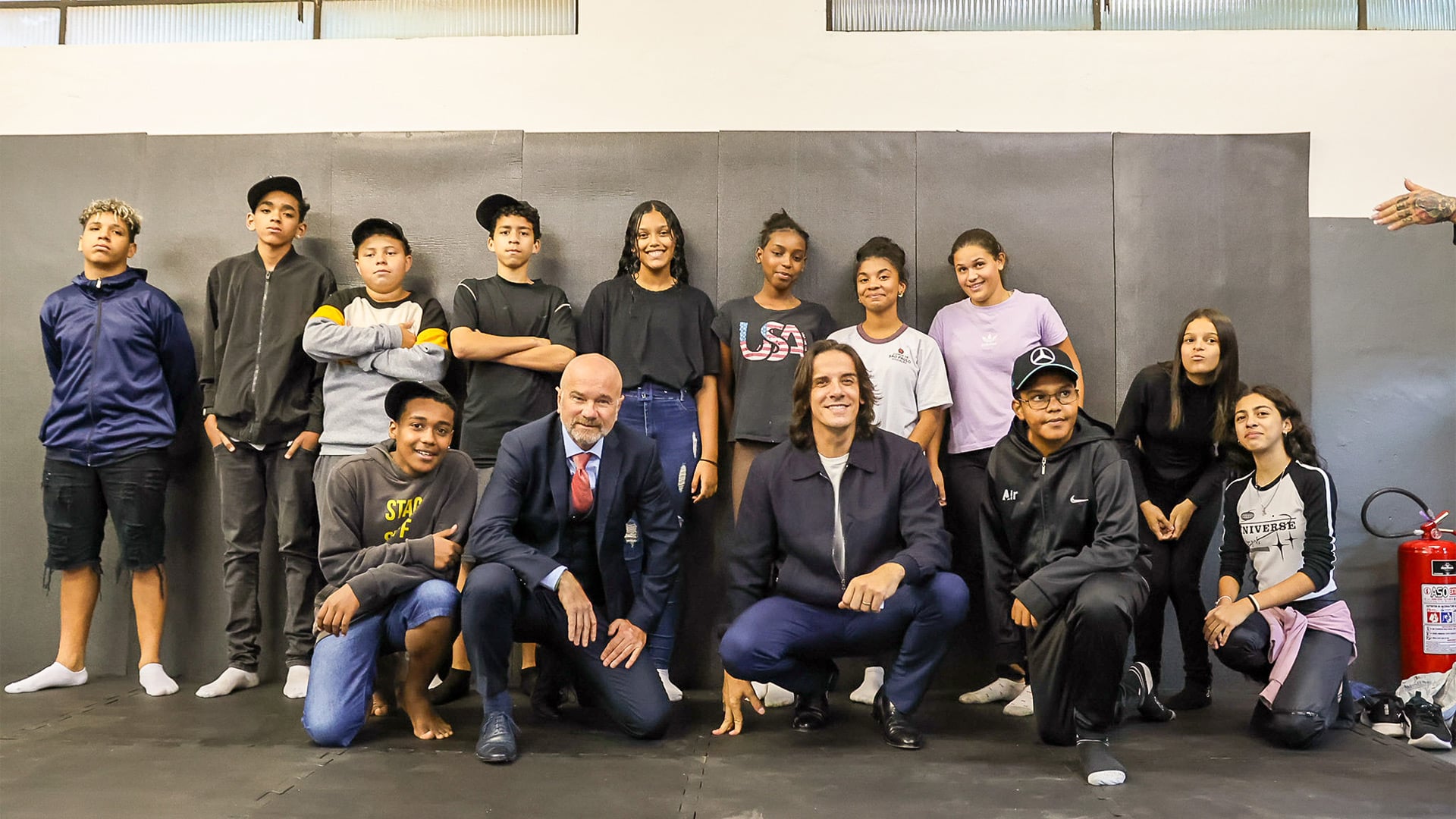
The SiGMA Foundation has projects in Brazil, Africa, and Asia. Should the gaming industry have social responsibility?
Absolutely. The gaming industry should embrace the idea of giving back to society, and that’s what we’re here for.
We are surrounded by very successful companies, and we want to use the SiGMA platform to support those who need it most. We aim to ensure that our projects—around eight per year—positively impact at least one million people and help them move out of poverty.
Once we reach that milestone, we can consider ourselves truly “millionaires.” Not in financial terms, but in positive impact.
How can companies contribute to the SiGMA Foundation?
Get in touch—whether during events, via WhatsApp, social media, or email. Let’s find ways to collaborate.
We are not limited by geography. People in need are people in need, wherever they are. We currently have projects in Ethiopia, Uganda, Peru, Guatemala, the Philippines, São Paulo, and soon Rio de Janeiro.
We also support participating companies with visibility, media exposure, and sponsorship opportunities. We’re investing heavily in this, and it’s encouraging to see results after a few years.
Is there anything you’d like to add?
In the future, gaming will increasingly rely on cutting-edge technologies such as quantum computing, artificial intelligence, big data, blockchain, fintech, DeFi, GameFi, and the Internet of Things. All of this is already impacting iGaming in unprecedented ways.
To address this, we launched another conference called AIBC, aimed at bringing cutting-edge technology into the industry.
AIBC will be held alongside SiGMA’s largest event in Rome this November. For the first time, we’ll see leading tech figures—including founders of crypto exchanges like Vitalik Buterin of Ethereum—attending an event they wouldn’t typically be part of. They’ll be side by side with the gaming audience.
We’re looking forward to fostering an exchange of ideas between technology and gaming starting in November. I invite anyone in the tech frontier space to reach out, as we want to ensure this exchange happens like never before.
Inside BiS SiGMA South America 2026
Original article: https://www.yogonet.com/international/news/2026/04/16/118591-eman-pulis-player-protection-must-be-at-the-core-of-any-policy