








A pending Supreme Federal Court case involving Rio Grande do Sul could determine whether Brazilian states and municipalities may impose betting advertising restrictions beyond federal rules, with direct implications for a decree issued by Rio de Janeiro this week.
Rio Grande do Sul Law No. 16.508/2026, sanctioned by Governor Eduardo Leite on April 24, is being challenged in ADI 7.971. The law regulates betting campaigns, sponsorships and marketing across the state, requires warnings covering at least 15% of advertisements, compared with the 10% federal standard, and mandates information on addiction and psychological support.
It also restricts betting advertisements on television, radio, streaming and video-on-demand services between 6 a.m. and 9 p.m., prohibits most advertising in stadiums and public performance venues, bans content aimed at minors and establishes joint liability among platforms, agencies, media outlets and internet providers.
The National Association of Games and Lotteries, or ANJL, argues that fixed-odds betting is already federally regulated and that differing local rules could make it harder for consumers to distinguish authorized operators from illegal websites.
The Attorney General’s Office has asked the court to suspend the law, arguing that it intrudes on federal authority over commercial advertising, lottery systems, telecommunications, broadcasting, and civil and commercial law.
It maintains that Federal Law No. 14.790/2023 and Ordinance SPA/MF No. 1.231/2024 already establish a national framework. The Brazilian Association of Radio and Television Broadcasters, or ABERT, has also sought admission as an amicus curiae, warning that state-specific broadcasting rules would create legal uncertainty.
The case gained significance after Rio de Janeiro issued Decree No. 58.274/2026 on Monday, July 13, less than 24 hours after federal interministerial decrees on sports betting advertising took effect.
The municipal decree prohibits betting platform advertising in public spaces and outdoor media, covering trademarks, websites, applications, promotions, bonuses, mascots, logos and other identifying elements. It applies to billboards, large screens and street furniture but does not cover digital or television advertising, which remains under federal regulation.
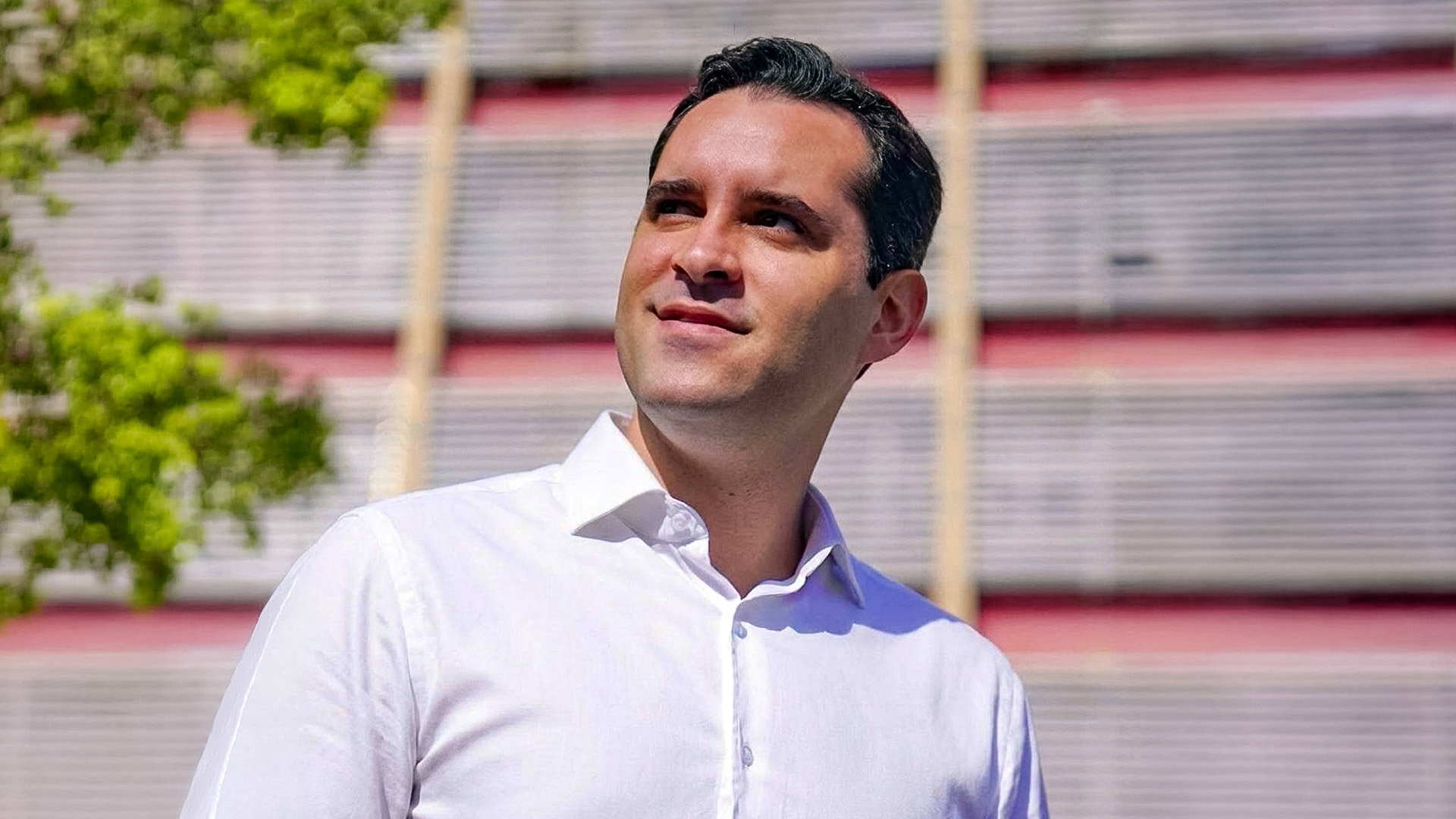
Mayor Eduardo Cavaliere introduced the measure through a decree, avoiding the need for City Council approval. It classifies betting advertising under Municipal Complementary Law No. 269/2023, which prohibits material considered “offensive to morals and good customs.”
Mayor Eduardo Cavaliere
The city argues that it is exercising municipal authority over urban planning and land use under Articles 30 and 182 of the Constitution. It also cites Federal Law No. 14.790/2023, which recognizes mental health impacts, particularly involving children and adolescents, as grounds for restrictions. However, the decree can be revoked by a subsequent decree, unlike legislation approved by the council.
Fabio Ferreira Couto of Carvalho Couto Advogados said the measure exceeds municipal authority. “From a technical-legal standpoint, the measure is blatantly unconstitutional,” he stated in a LinkedIn post.
He argued that the ban would primarily affect authorized operators. “The decree promotes a blind ‘witch hunt,’ lumping together legitimate companies and criminal platforms,” he stated. “The illegal platforms, which represent more than 50% of the market, continue to operate in the shadows of the digital environment, untouchable by municipal decrees.”
Couto said the Secretariat of Prizes and Betting at the Ministry of Finance had already established federal rules on warnings and abusive advertising.
“The Rio de Janeiro decree completely ignores this federal regulation. By prohibiting everything, the City Hall severely punishes legitimate companies that have invested millions in sponsorships, generate jobs, and pay taxes,” he argued.
He also described the measure as politically motivated.
Other municipalities are taking different approaches. In João Pessoa, Ordinary Bill No. 302/2025 has been approved by the City Council and awaits the mayor’s signature. It covers public equipment and media outlets, uniforms and school supplies used in municipal programs, and directs fine revenue to social funds.
In Belo Horizonte, Bill 297/2025 would restrict advertising and betting sponsorship of sporting, cultural, civic and educational events, while Bill 362/2025 would prohibit all online betting advertising, including gifts, coupons and access kiosks. Both passed a first vote with 33 votes but were removed from the final agenda in June because they were not expected to secure the required 21 votes.
After the Public Defender’s Office of Minas Gerais recommended removing betting advertisements from public transportation, two council members filed a class action lawsuit. Judge Danilo Couto Lobato Bicalho suspended advertisements on buses and boarding points, invalidated approvals issued by BHTrans and Sumob, and imposed daily fines of R$50 to R$200 per defendant, capped at R$30 million.
The lawsuit also challenged Belotur’s sponsorship agreement with Esportes Gaming Brasil, operating as Esportes da Sorte, for the Arraial de Belô festival beginning July 24. Article 6 of Rio’s decree already prohibits that form of sponsorship.
Couto called for collective industry action. “The moment demands coordination. Regulated betting platforms, especially small and medium-sized ones seeking to operate legally, urgently need to unite through their representative associations,” wrote the lawyer.
Original article: https://www.yogonet.com/international/news/2026/07/15/125402-brazil-rio-betting-ad-ban-intensifies-legal-battle-over-who-can-regulate-gambling-advertising