









The Argentine Association of State Lotteries (ALEA) has introduced an updated Code of Best Practices for Responsible Commercial Communication in Online Gambling, designed as a reference framework to promote common standards among regulators, licensed operators, and other stakeholders involved in the sector.
The updated code was officially presented on July 16 at ALEA’s conference center in Buenos Aires, providing an opportunity to review its main guidelines, discuss its scope, and exchange views on its implementation.
According to Ida López, President of the Provincial Institute of Gaming and Casinos of Mendoza and of ALEA, “this new version updates and expands the Code developed in 2021 by incorporating guidelines that reflect today’s environment, the evolution of digital channels, and emerging technologies, adapting the ethical and operational framework to the dynamic iGaming ecosystem in Argentina, where online gambling is now regulated in the vast majority of jurisdictions.”
The revised code aims to strengthen communication around legal gambling, clearly differentiate licensed operators from illegal offerings, and promote ethical, transparent communications focused on consumer protection.
ALEA described the document as “a voluntary reference code designed so that provincial lotteries and the Lottery of the City of Buenos Aires may adopt it, in whole or in part, within the scope of their respective regulatory powers.”
Advertising and commercial communications
The most significant methodological change in the updated code is the expansion of the traditional concept of advertising. Under the broader concept of commercial communication, the code now regulates a much wider range of digital channels that have become essential for today’s iGaming operators, including:
- Affiliate marketing and digital customer acquisition;
- Live streaming and online communities;
- Direct messaging systems and CRM automation;
- Content created by influencers, streamers, and brand ambassadors.
Four key pillars of the updated code
The revised framework introduces specific provisions addressing current public concerns and technological developments.
1. Artificial Intelligence
In a first for the region, the code includes a dedicated chapter on the ethical use of digital technologies and artificial intelligence. Among its key provisions, it expressly prohibits:
- Using AI to profile bettors and identify financial vulnerability, impulsive behavior, or other forms of susceptibility for commercial targeting;
- Automating the delivery of bonuses or incentives during critical moments, such as after recent losses, self-exclusion requests, or other indicators of gambling-related harm;
- Creating artificial urgency or using emotion-recognition technologies to retain users.
2. Protection of minors
Responding to growing concerns about youth exposure to gambling, the code strengthens protections by introducing:
- Strict audience segmentation: Operators must use advanced tools to exclude minors from digital marketing campaigns;
- Content restrictions: The use of gamification elements, characters, or formats with particular appeal to young audiences is prohibited;
- Restricted environments: Commercial communications may not appear in educational settings, sporting environments, or mass events where minors make up the majority of the audience. In addition, licensed operators’ branding may not appear on sports apparel intended for children.
3. Extended responsibility for affiliates and intermediaries
Licensed operators will share responsibility for content published by their commercial partners. Contracts with agencies, affiliates, and streamers must include clauses requiring compliance with the code, clear disclosure of sponsored content, and provisions allowing operators to immediately remove unauthorized or misleading content.
4. Greater transparency in bonuses and promotions
The updated code seeks to eliminate confusing “fine print” by requiring that all welcome bonuses, loyalty programs, and referral offers clearly disclose wagering requirements, expiration periods, and applicable financial limits before players register.
It also prohibits describing promotions as “free” or “risk-free” if financial conditions apply.
Federal approach and legal gambling
The document reaffirms that primary responsibility for enforcement remains with the regulatory authority in each jurisdiction, reflecting Argentina’s decentralized gambling regulatory model.
Within this framework, ALEA will serve as a technical support body by providing operational guidance, training, and compliance models to encourage consistent implementation across the country.
The code also recommends that all commercial communications prominently display the responsible gambling warning: “Compulsive gambling is harmful to your health”, together with an indication that gambling is prohibited for minors.
Early adopters
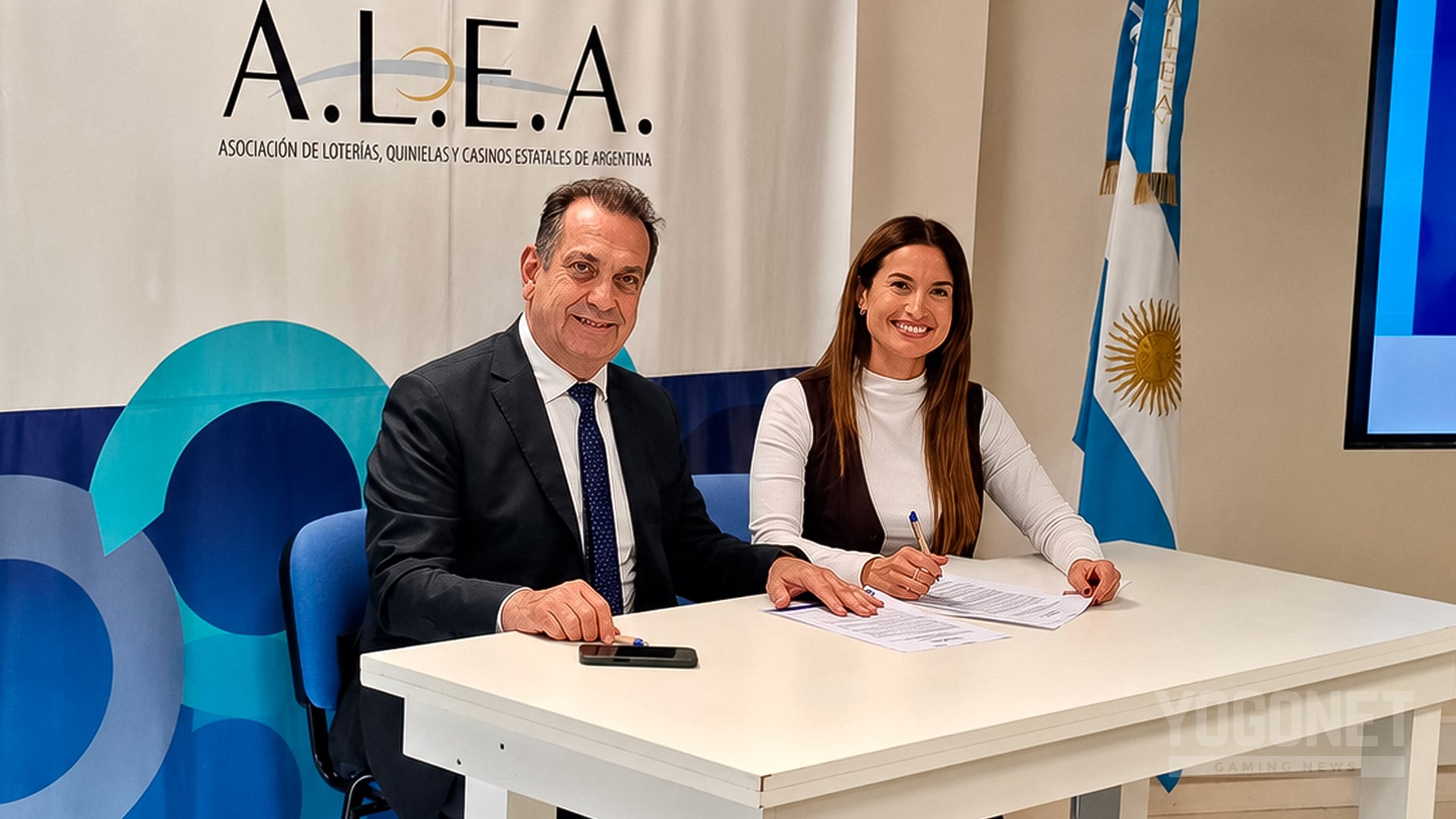
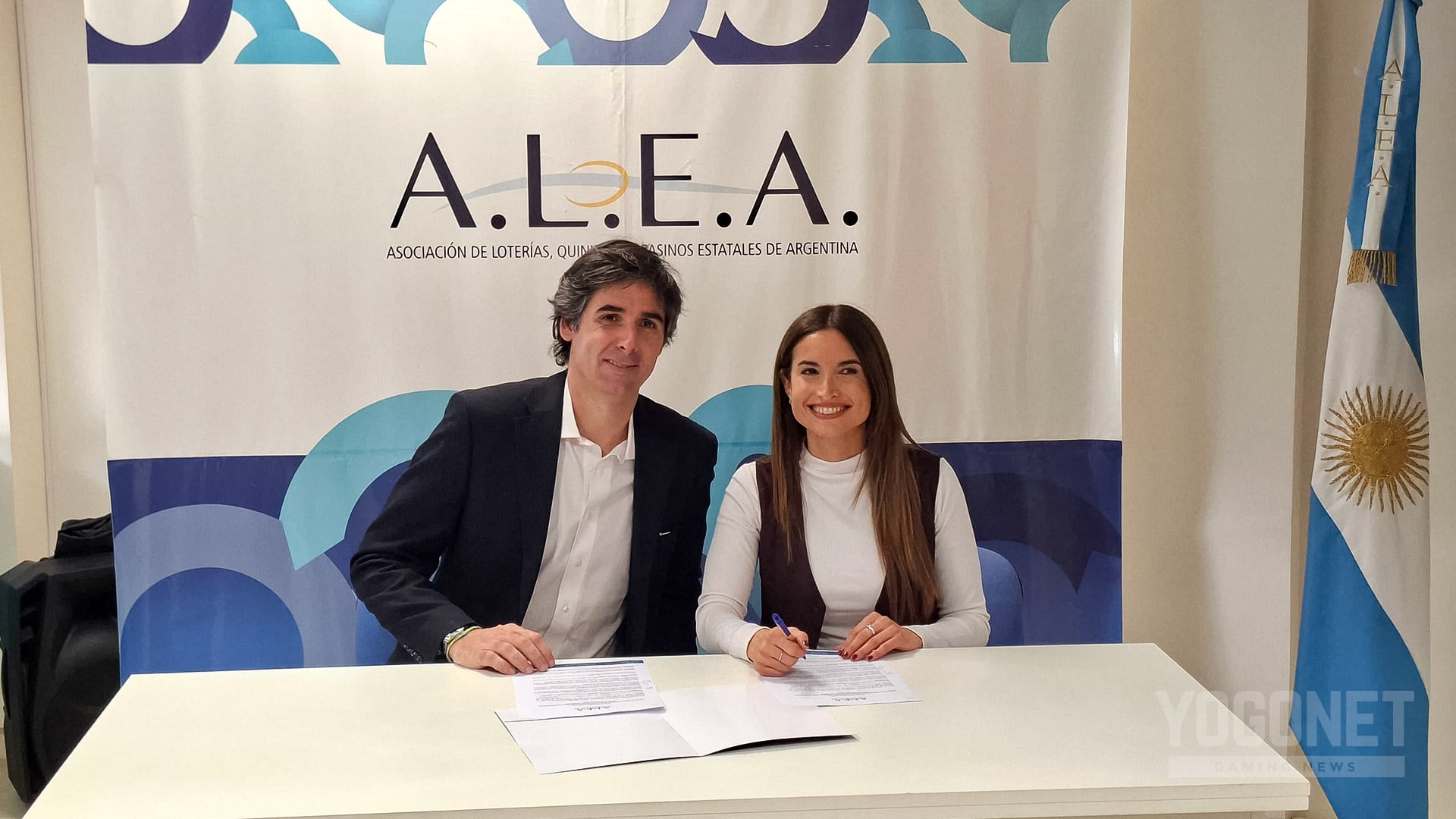
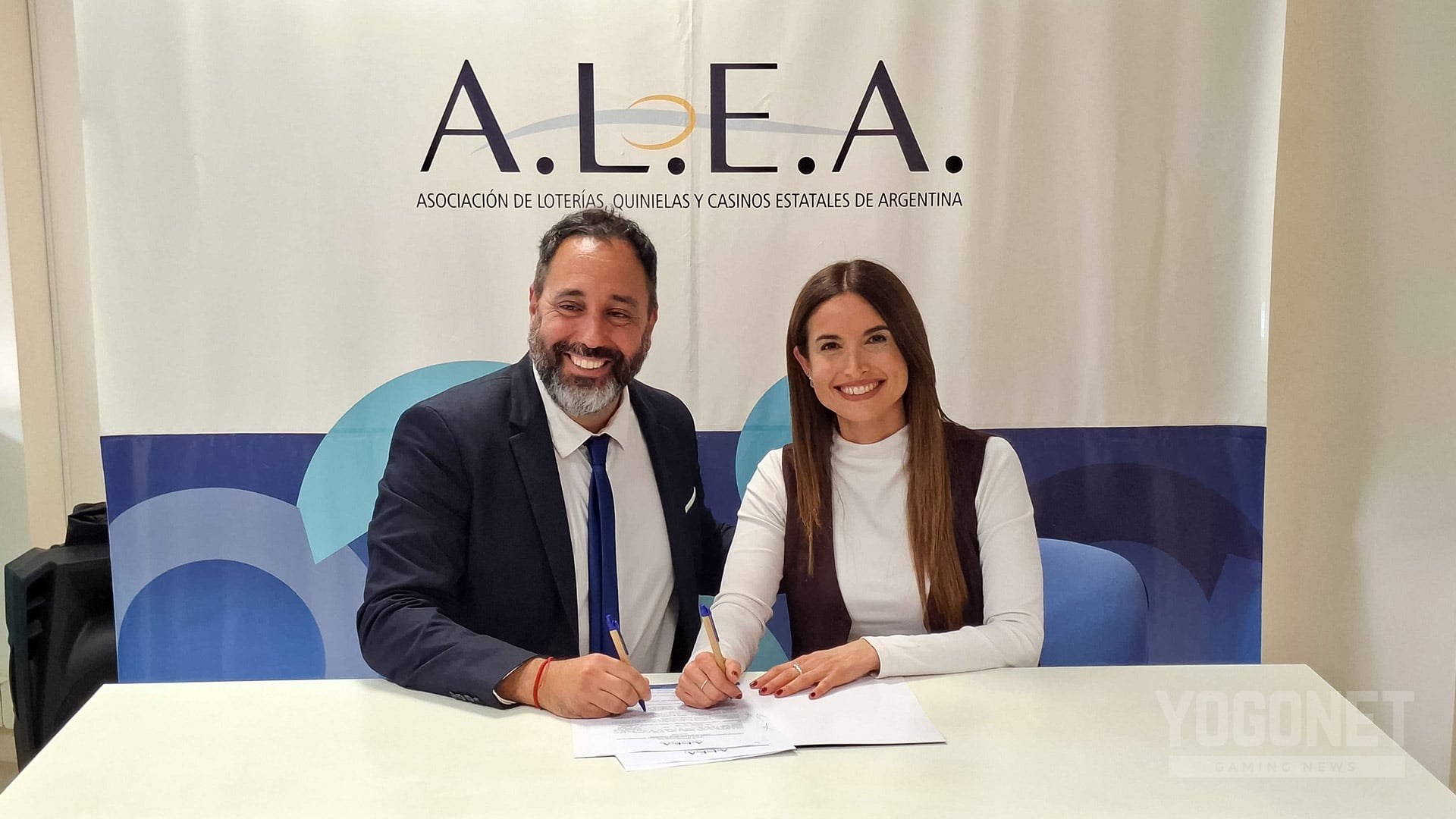
According to information presented during the launch, the following public regulators have already formally adopted the updated code:
- LOTBA (Lottery of the City of Buenos Aires);
- Provincial Institute of Lotteries and Casinos of Buenos Aires Province;
- Provincial Institute of Gaming and Casinos of Mendoza;
- Neuquén Gaming Institute;
- Córdoba Lottery;
- Popular Savings Fund of Tucumán Province;
- Chubut Social Assistance Institute.
Among the private-sector organizations that also joined the initiative are BetWarrior, Casino Magic Neuquén, BPlay, Betsson, Betano, Monografie (SAGSE), the Chamber of Official Lottery Agencies of Buenos Aires City (CAOLBA), Juegos Internacionales, Zona de Azar, and Yogonet.
With this update, Argentina aims to align its responsible gambling standards with those promoted by the European Gaming and Betting Association (EGBA) and the European Union’s Artificial Intelligence Act, seeking to balance the sustainable growth of the licensed gambling industry with stronger protections for digital consumers.