








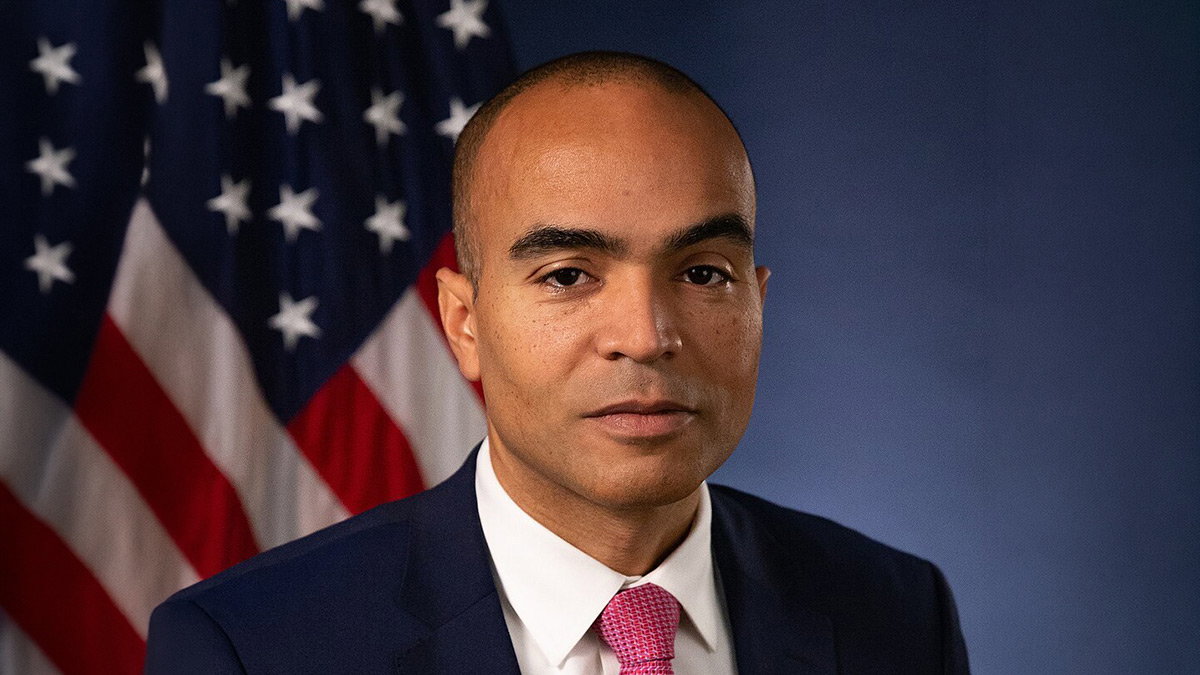
Washington Attorney General Nick Brown has filed a lawsuit seeking to shut down 16 casino-style mobile apps operated by Playtika, Aristocrat and affiliated companies, while recovering more than $225 million spent by state residents on virtual coins, chips and credits since 2020.
According to the complaint, more than 150,000 Washington residents use the apps each month. The state alleges players made over 8 million purchases worth more than $151 million in Playtika titles and another 2.25 million purchases totaling more than $74 million in Aristocrat apps.
The games, including Slotomania, House of Fun, Caesars Casino Slots and Bingo Blitz, are free to download but allow users to buy virtual currency with real money to continue playing.
The case centers on Washington’s broad legal definition of a “thing of value.” State officials argue that virtual chips and credits qualify because they extend gameplay and allow players to place additional wagers, even though they cannot be redeemed for cash.
The complaint relies heavily on the Ninth Circuit’s 2018 Kater v. Churchill Downs ruling, which found that virtual casino chips could constitute something of value under Washington law.
Playtika disputes that interpretation, arguing its games now include a “continuous play” feature that allows users to resume playing without making purchases. The company has filed a motion to dismiss the lawsuit, maintaining that its products remain free-to-play entertainment rather than gambling.
Beyond the legal classification of the games, the Attorney General alleges the companies ignored reports of financial and emotional harm from users, citing complaints describing debt, damaged relationships and gambling-related distress. The lawsuit also claims some apps fail to verify players’ ages before allowing gameplay.
The state is seeking restitution, disgorgement of profits, civil penalties and an injunction prohibiting the companies from operating the apps in Washington. Officials argue that prediction-free virtual casino products built around paid wagering circumvent consumer protections while functioning similarly to traditional gambling.
If successful, the case could further expand the legal precedent established by Kater and have broader implications for social casino operators and other video games that monetize virtual currencies used to extend gameplay.
The motion is noted for oral argument next month in a King County courtroom.
Original article: https://www.yogonet.com/international/news/2026/07/24/125544-washington-seeks-225m-from-operators-in-lawsuit-targeting-social-casino-apps