








The National Football League has urged the Commodity Futures Trading Commission to strengthen proposed prediction market regulations, warning that the framework does not adequately address manipulation, insider trading and consumer risks tied to sports contracts.
In a July 27 letter to CFTC Chairman Michael Selig, NFL Senior Vice President of Public Policy and Government Affairs Brendon Plack acknowledged that some earlier league recommendations had been included.
“While the Proposed Prediction Market Rulemaking contains several productive proposals, it must be strengthened in key areas,” Plack wrote. He said the draft “falls significantly short of protecting the integrity of sporting events and the fans who participate in these markets.”
“It is surprising that further common-sense integrity and consumer protection measures provided in the Prior League Comment Letter were not adopted.”
The NFL wants the Commission to prohibit contracts that can be easily manipulated by a single person or depend on injuries, officiating decisions, misconduct or other negative outcomes. It is also seeking a ban on markets involving information that may be known in advance, including the first play of a game, roster decisions, coaching choices, player trades and draft selections.
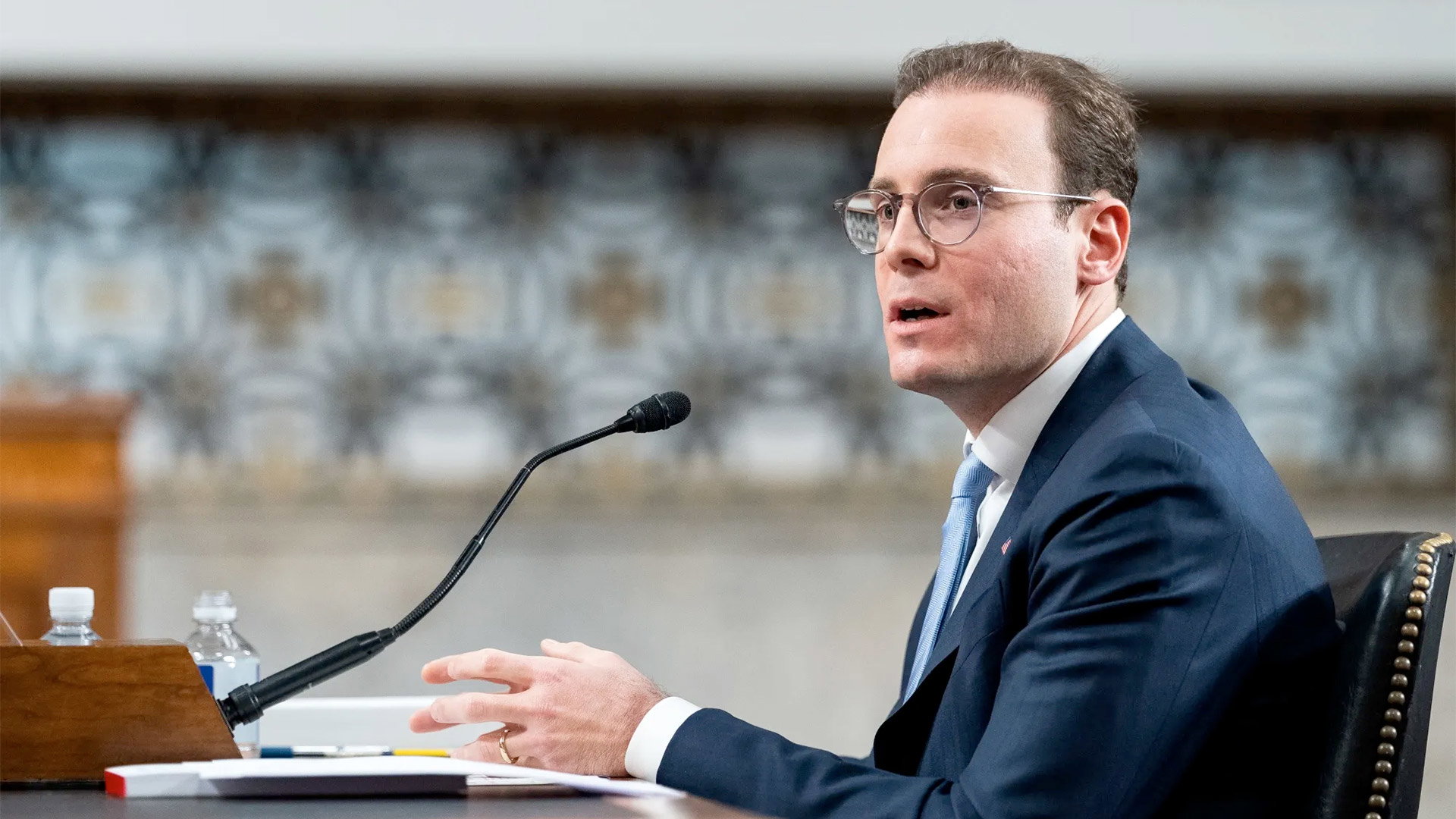
CFTC Chairman Michael Selig
For player-performance contracts and other markets considered vulnerable to manipulation, the league proposed a preapproval process allowing sports governing bodies to submit objections before trading begins.
The NFL also opposed the CFTC’s proposed 10-day period for initiating reviews of newly listed contracts. It said integrity concerns may not immediately become apparent and questioned whether regulators have sufficient staffing to assess the rapidly growing market.
According to figures cited in the filing, the daily average number of event contracts listed on one major market increased from about 1,600 in April 2025 to 162,000 in April 2026. More than 8,000 distinct contracts were trading across 25 designated contract markets as of May.
The league requested a formal process for emergency reviews and suspensions when credible evidence suggests manipulation, match-fixing or misuse of confidential information. It also wants league-specific lists of people prohibited from trading, including employees and personnel with access to material nonpublic information.
Other proposals include setting a minimum trading age of 21, creating a centralized self-exclusion system and requiring deposit and loss limits, cooldown periods, account activity summaries and risk notifications. Platforms including Kalshi and Polymarket currently permit users aged 18 and older, while most states with legal sports betting require participants to be at least 21.
The NFL additionally called for restrictions on advertising, margin trading and the unauthorized use of league or team branding. It wants reliable data sources used to settle sports contracts and stronger monitoring involving the CFTC, state regulators, sports leagues and integrity organizations.
The league has partnerships with several legal U.S. sportsbook operators but has not partnered with a prediction market. Major League Baseball and the National Hockey League have entered prediction market agreements, while NBA player Giannis Antetokounmpo was recently announced as a Kalshi investor.
The CFTC published its proposed amendments in June and opened a 45-day comment period. The proposal introduced the agency’s first definition of gaming and requested feedback on insider information, margin trading, blockchain-based markets and public-interest restrictions.
Former Connecticut Sen. Christopher Dodd

Prediction market operators have supported federal oversight, while states, tribal governments and gambling industry groups have warned that federally regulated sports contracts could weaken state and tribal authority.
Former Connecticut Sen. Christopher Dodd also opposed the proposal in a separate filing. Dodd, who co-authored the 2010 Dodd-Frank Act, argued that the law was intended to restrict dangerous financial speculation rather than create a federal framework for gambling.
“In the past year, additional speculators have emerged promoting event contracts that are merely a substitute for gambling,” Dodd said. He argued that the proposal conflicts with congressional intent, undermines state regulatory powers and could interfere with the Indian Gaming Regulatory Act.
“The explosion of prediction markets—especially sports wagering and event contracts—represents the type of rampant speculation we sought to prohibit with the Dodd-Frank bill.”
The NFL’s filing follows the July 17 indefinite suspension of Arizona Cardinals Director of College Ryan Gold for violating league gambling policies. Investigators alleged that Gold distributed confidential information concerning the 2026 NFL Draft and placed wagers on Arizona’s selections before they were publicly disclosed, along with parlay bets on NFL and college games.
The league said the case illustrates the risks associated with contracts involving personnel decisions and information available to insiders. It emphasized that its regulatory proposals should not be interpreted as an endorsement of prediction markets.
Original article: https://www.yogonet.com/international/news/2026/07/29/125629-nfl-presses-cftc-for-tighter-sports-contract-rules-as-dodd-of-doddfrank-act-challenges-proposal