






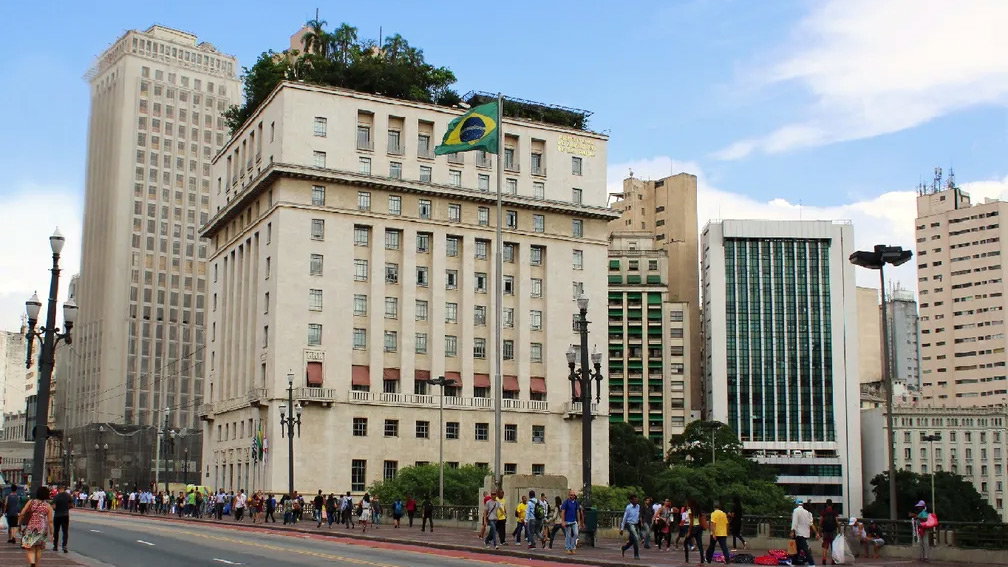
São Paulo lawmakers are considering restrictions on betting advertising in public spaces after sports betting and online gaming companies spent R$ 422 million ($82.7 million) on outdoor advertising in the city between January 2025 and June 2026.
The São Paulo City Council is reviewing proposals that would prohibit betting advertisements across several public-facing locations. The municipal executive is preparing a substitute bill consolidating draft laws 553/2025, 560/2025 and 564/2025.
Under the proposed rules, betting company advertising would be prohibited in sports arenas, buses, bus stops, elevator screens, subways, bus stations and digital street clocks. The proposal establishes a fine of R$ 50 per infraction. Repeat violations could result in suspension of a license for up to 30 days and a prohibition on holding sporting events in the municipality for up to two years.
Funds collected through the penalties would be directed toward gambling addiction prevention and the promotion of educational sports. Mayor Ricardo Nunes (MDB) has said he will sanction the legislation once it is approved by city councilors.
Rio de Janeiro has already introduced a similar restriction. Mayor Eduardo Cavalière (PSD) banned this type of advertising by decree on Friday, July 13.
The proposed measures come as betting companies have become one of São Paulo’s largest categories of outdoor advertisers. According to data collected by Monitor Evolution, an advertising intelligence platform operated by Kantar Ibope Media, the sector ranked sixth among 184 advertiser categories in the city during the January 2025 to June 2026 period.
The figures, published by Painel SA of Folha de S.Paulo, cover a period that began when federal regulation of the betting sector took effect in January 2025. Betting companies ranked behind only sectors including telecommunications, cards and payment methods, alcoholic beverages and large retail chains.
Outdoor advertising, also known as OOH, or Out of Home media, covers formats including billboards, digital panels, street furniture, bus stops, elevators and means of transportation.
The National Association of Games and Lotteries, or ANJL, has opposed the proposed restrictions. The association argues that limiting advertising could reduce investment in the regulated market and affect a commercial chain that includes street furniture concessionaires, media companies, production companies, advertising agencies and service providers.
ANJL also argues that advertisements from authorized betting operators have an informational role by helping consumers distinguish platforms licensed by the Ministry of Finance.
Original article: https://www.yogonet.com/international/news/2026/08/10/125807-sao-paulo-weighs-betting-ad-restrictions-after-outdoor-spending-surge